

Why Startups Should Invest in Custom Logo Design
Imagine starting a new business. You’ve got a groundbreaking product, a fresh approach, and the enthusiasm to make your mark. Now, picture your brand. What’s the first visual element that comes to mind? More often than not, it’s a logo. But why does this seemingly simple image hold so much importance, especially for startups? In this article, we’ll explore why custom logo design matters for emerging businesses and how the right design can propel your brand in a crowded marketplace.
The Strategic Role of a Logo
A logo is much more than a decorative image; it’s a strategic asset that serves as the visual cornerstone of your brand identity. It embodies who you are and what you stand for in a compact, recognizable format. For startups, which are still in the nascent stages of establishing their identity, a custom-designed logo can set the tone for future branding efforts and customer perceptions.
Creating an Emotional Connection
Logos have the power to elicit emotions and form connections. Consider logos like Nike’s swoosh—an emblem that inspires athletic spirit—or Apple’s bitten apple, which stands for innovation and creativity. A startup’s logo needs to capture the heart of its brand and communicate it to the audience instantly. This emotional connection can significantly influence customer loyalty and trust.
Establishing Brand Recognition
For startups, competition is stiff. A memorable logo helps your brand stand out among competitors. It also assists in ensuring that your business is the first one customers think of when they’re in need of your services or products. A strong logo, paired with consistent usage across all platforms and materials, can enhance your brand’s visibility and build recognition over time.
The Process of Creating a Custom Logo
Developing a logo might sound straightforward, but it involves several critical steps and considerations. Each stage of the logo design process is vital for ensuring the final result aligns with the brand’s goals and values.
Understanding Your Audience
Before putting pen to paper, you need to comprehensively understand who your audience is. What are their preferences? What resonates with them emotionally and visually? Knowing your audience allows the designer to tailor your logo so it connects in meaningful ways. For example, younger audiences might favor modern, sleek designs while traditional industries might lean toward classic aesthetics.
Crafting a Clear Brand Message
What is the core message or value you want to convey? Your logo should reflect the promise and personality of the brand. Clearly communicating this message to your designer is crucial. For instance, if your startup emphasizes sustainability, the logo might incorporate earthy tones and organic shapes to convey this value visually.
The Design Phase
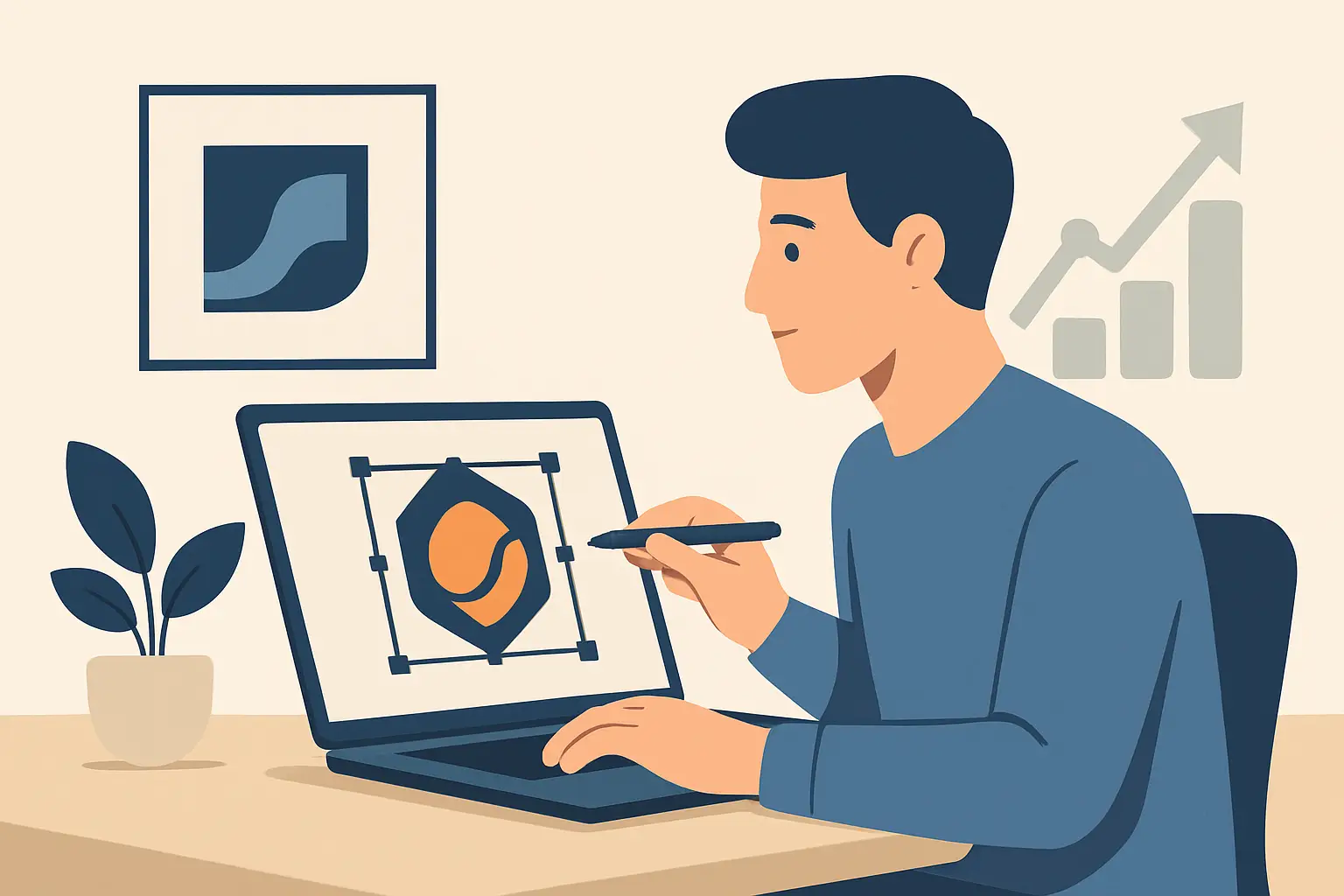
Once the groundwork is laid, the design phase begins. Here, designers will take your conceptual ideas and transform them into visual drafts. This stage often involves:
- Sketching ideas: Freehand sketches allow for creativity and exploration before formalizing the design on a digital platform.
- Digital rendering: Designers use software to refine the chosen sketches, experimenting with color schemes, typography, and composition.
- Feedback and refinement: Collaboration with the startup team is critical. Gathering feedback and making iterative tweaks ensure the logo increasingly aligns with brand expectations.
Testing the Logo
A vital yet sometimes overlooked step is testing the logo across various scenarios. How does it look on business cards compared to billboards? Is it still recognizable in black-and-white or at a smaller scale? Testing assesses its versatility and effectiveness across different mediums.
Common Pitfalls in Logo Design
Crafting the perfect logo isn’t without its challenges. Avoid these common pitfalls to ensure your logo effectively serves your brand:
Overcomplicating the Design
Simplicity is key. A complex design can confuse the audience or be difficult to reproduce consistently. A logo should be easily understood at a glance.
Ignoring Trends in Favor of Timelessness
While it’s essential to remain aware of current design trends, it’s also crucial to aim for timelessness. A logo that relies too heavily on trends could quickly become dated.
Focusing Solely on Appearance
The aesthetic of your logo is important, but its functional role in representing your brand is paramount. Ensure the design remains true to your company’s values and mission.
Case Studies: Successful Startup Logo Transformations
Looking at real-world examples can be enlightening. Consider some startups that have succeeded by investing in custom logo design:
Slack
Originally, Slack had a detailed multi-color logo. Their rebrand simplified the mark to a four-color hashtag symbol. The change made it more adaptable across digital platforms while keeping the brand’s playful and collaborative spirit intact.
Airbnb
Airbnb’s rebrand included a new, universally recognizable symbol—The Bélo. It represented ‘belonging’, crucial for a service intending to make the world feel accessible to everyone. Their simple, adaptable logo better reflected their core ethos.
How Companies Like OneStop Northwest LLC Can Help
Startups looking to make an impact can benefit greatly from seasoned experts. OneStop Northwest LLC offers comprehensive brand management services, including custom logo design. These professionals not only create visually appealing logos but craft representations that capture the essence of your business in a marketable way. By understanding the nuances of brand identity and audience behavior, companies like OneStop Northwest LLC can help startups develop a lasting brand presence.
Investing in Your Future
Investing in a custom logo is investing in the future of your startup. This process requires thoughtfulness and dedication but can provide dividends in brand recognition and customer loyalty. For startups, a logo isn’t just a label; it’s a statement of trust and professionalism.
Next Steps: Setting Your Brand on the Right Path
To get started on your logo design journey, consider the following steps:
- Conduct a brand audit: Ensure you understand your brand’s core values and mission first.
- Hire the right designer or service: Look for experience specifically in custom logos and startup branding.
- Be open to creativity and feedback: Collaboration can unlock unexpected solutions.
- Plan for consistency in brand communication: As the logo will lead your visual identity, align all brand materials with it.
These steps will set your startup on a path to a strong, resilient brand presence in the market.
While every startup is unique, the importance of a custom logo design is universal. Knowing this, you can take confident strides in branding your business effectively.*