

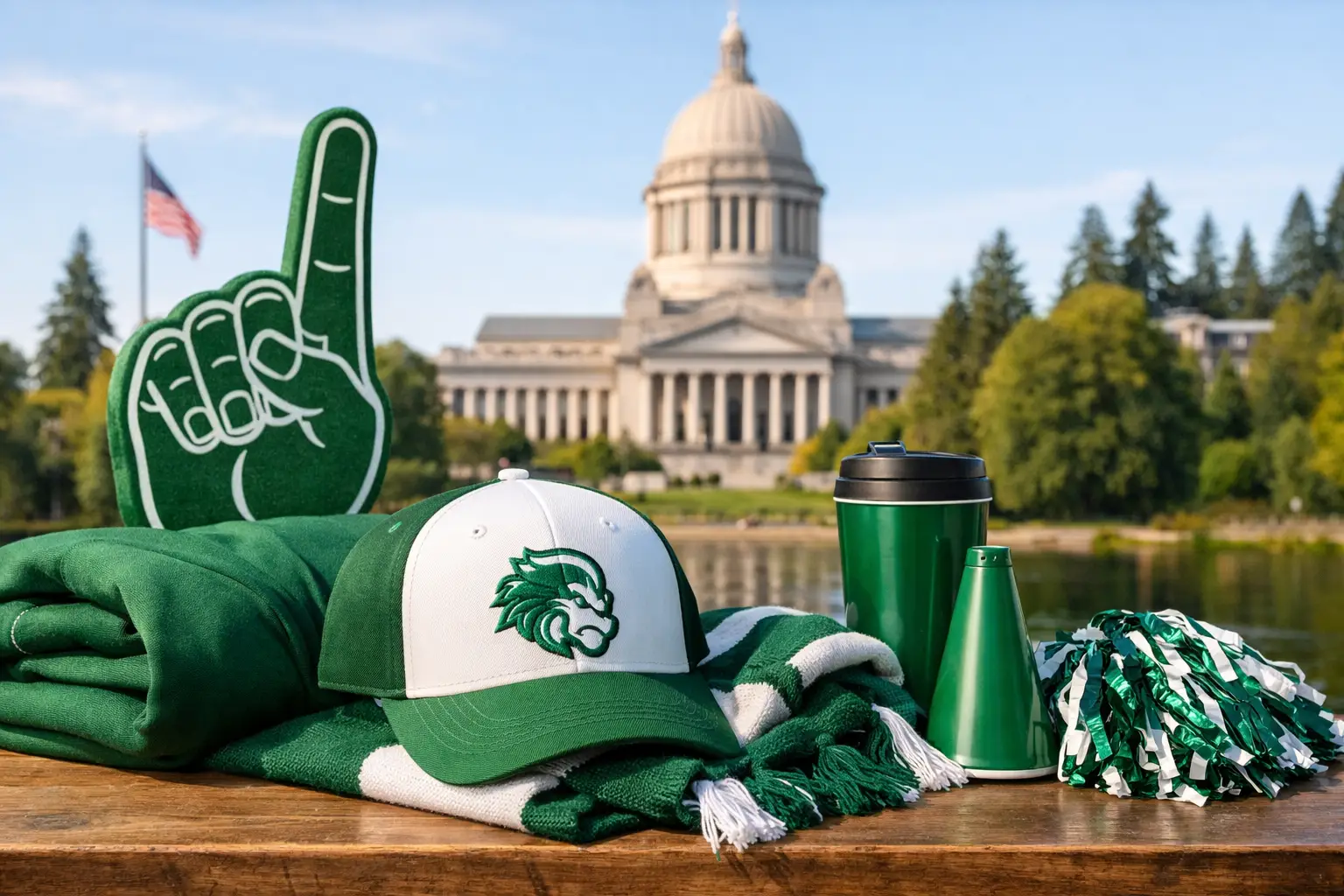
The right school shirt can become a familiar sight at a Friday night game, a field trip, a volunteer event, or a family’s weekend errand run. That visibility is why school spirit swag in Olympia, Washington deserves more thought than simply placing a mascot on the least expensive T-shirt available. Done well, spirit wear gives students a sense of belonging, helps families show support, and extends a school’s identity beyond campus.
For school leaders, parent groups, athletic boosters, and district teams, the challenge is balancing pride with practical details: a limited budget, varying age groups, approval processes, deadlines, and the need for a design people genuinely want to wear. A thoughtful plan turns those moving parts into apparel and promotional products that represent the school well.
Start With the Purpose, Not the Product
A request for hoodies, water bottles, or pens can sound straightforward. But the best choice depends on what the program needs to accomplish. A fundraiser needs enough margin to support its goal. A staff appreciation event may prioritize quality and usefulness. A student welcome program needs a product that is inclusive, affordable, and available on time.
Before selecting items, define the audience and the occasion. A high school athletics program may want bold, event-ready pieces that hold up in the stands. An elementary school PTO may get more value from lower-cost items that can be offered broadly at a carnival or open house. District-level initiatives may require a more restrained design system that works across several schools and departments.
It also helps to decide whether the swag is meant to be sold, given away, or used as a recognition item. Those paths call for different pricing, quantities, and product choices. A premium embroidered jacket might be a strong recognition gift for a retiring staff member, but it may not be the best first item for a student store.
Design School Spirit Swag Olympia, Washington Will Wear
School pride is personal. Students want apparel that feels current. Families want items they can wear comfortably outside school events. Staff members often need branded pieces that look professional during community-facing activities. One logo file is rarely enough to meet all three needs.
A flexible spirit-wear design begins with a clear visual hierarchy. Usually, that means a recognizable mascot, school name, initials, or an established mark paired with the correct school colors. From there, the design should be adjusted for the item and printing method rather than copied unchanged onto every surface.
A detailed crest may look sharp on the left chest of a polo but lose clarity on a small keychain. A large mascot graphic can make a great T-shirt front, while a simple monogram may be more effective on a cap. The goal is consistency, not repetition.
Color deserves the same level of care. Olympia’s cool, wet seasons make darker garments and outerwear practical choices, but a spirit collection should not become a wall of identical black hoodies. Offering a few garment colors can encourage wider participation while keeping ink colors controlled. Limiting the design to one or two print colors may also help stretch a fundraising budget.
When a school has a recognizable visual identity, protect it. Confirm the approved logo version, color values, mascot usage, and any district guidelines before production starts. This is especially important when multiple groups order independently. Inconsistent typefaces, altered mascot artwork, and off-brand colors can weaken the identity a school has worked hard to build.
Make inclusivity part of the order plan
Spirit wear should make room for the full school community. Consider youth, adult, and extended sizes where appropriate, and choose products with a range of fits. Not everyone wants a fitted tee or a heavyweight hoodie. A mix of T-shirts, crewnecks, caps, tote bags, and practical drinkware can give supporters options without making the order unnecessarily complicated.
Accessibility also matters in communication. Use clear order forms, straightforward deadlines, and readable product mockups. If the school serves families who speak multiple languages, translated ordering instructions may make participation easier. Small planning decisions can have a noticeable impact on who feels invited to take part.
Choose Products Based on Real Use
The most successful swag is not always the flashiest item. It is the item people reach for again. In the Pacific Northwest, weather and daily routines should influence the assortment.
For apparel, consider soft T-shirts for warm-weather events, crewnecks and hoodies for year-round comfort, and lightweight jackets or beanies for outdoor activities. For non-apparel items, water bottles, tote bags, lanyards, notebooks, and decals can work well for students, volunteers, and event attendees.
There are trade-offs. Premium garments can create a strong impression and often last longer, but higher pricing can reduce participation. Value-priced shirts can support a broad giveaway or entry-level fundraiser, though fabric quality and print durability still need attention. The right answer depends on whether the priority is revenue, reach, longevity, or a specific event experience.
Avoid choosing solely from a digital product image. Ask about garment weight, fabric blend, available sizes, decoration area, and how the product performs after repeated washing or use. A sample is particularly valuable for larger orders, new vendors, or designs with fine details. It can catch issues that a screen mockup cannot, such as a color that prints differently than expected or lettering that feels too small in person.
Build a Process That Protects Your Budget
School orders often become expensive because decisions are made in pieces. Someone orders shirts for the booster club, another group orders giveaways for an event, and a department orders staff polos later in the semester. Each order may be reasonable on its own, but the overall program can lose buying power and visual consistency.
A simple annual plan can help. List the major school events, athletics seasons, enrollment periods, recognition opportunities, and fundraising windows. Then identify which items can serve more than one purpose. A branded T-shirt, for example, might support a back-to-school welcome, volunteer recognition, and a spirit-day campaign if the design is created with versatility in mind.
Quantities require judgment. Ordering too few can increase unit costs and lead to missed sales. Ordering too many can leave a parent group with boxes of last year’s event shirts. Preorders are useful when demand is uncertain, particularly for apparel with many size options. Stocked items make more sense for evergreen products such as decals, pens, or simple school-logo tees that can be sold throughout the year.
Do not overlook the production calendar. Artwork approval, proofing, supplier availability, decoration, and delivery all take time. A rush order can be necessary, but it often narrows product options and adds cost. Starting early gives teams more room to compare choices, approve samples, and make adjustments before a deadline becomes urgent.
Coordinate the Brand Across Every Touchpoint
A school’s spirit program is stronger when the visual identity carries through more than apparel. The same colors, marks, and messaging can appear on event signage, social graphics, volunteer materials, student packets, and recognition pieces. That consistency makes school communications easier to recognize and reinforces a sense of shared community.
This does not mean every item should look identical. A pep rally poster can be energetic and bold, while a staff folder may need a cleaner, more professional approach. The connection comes from shared brand elements and clear standards, not from forcing every design into the same layout.
For schools and organizations managing several projects at once, a partner with experience in promotional products, design, and brand coordination can reduce the burden on volunteers and staff. OneStop Northwest helps organizations consider the larger brand picture, from logo use and product selection to the practical details that keep a campaign organized.
Measure What People Actually Value
After an order or event, take a few minutes to learn what worked. Which sizes sold first? Did families ask for another color? Were staff members still using the item months later? Did a fundraiser meet its goal after all production costs were counted?
These answers are more useful than assumptions. A product that looked exciting during planning may not move as expected, while a simple crewneck or durable water bottle may become a repeat favorite. Keep notes from each campaign so the next order starts with real information instead of guesswork.
School spirit is built through daily moments as much as major events. When the design feels authentic, the products fit real routines, and the ordering process respects families’ budgets, swag becomes more than a giveaway. It becomes a visible reminder that people belong to something worth supporting.