

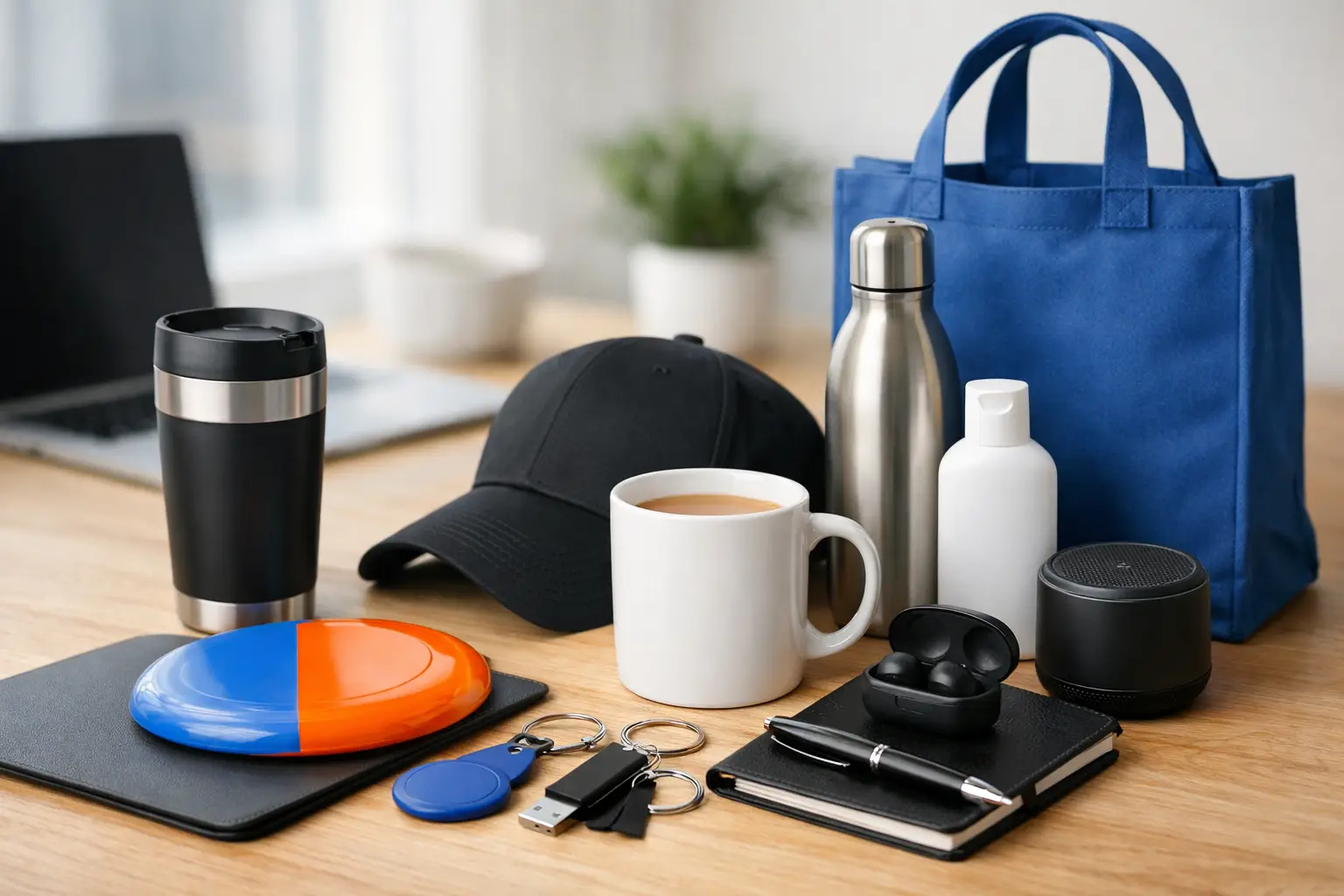
A branded pen used to be enough. Now it has to compete with crowded desks, digital ads, inbox fatigue, and buyers who can spot throwaway swag from across the room.
That is why choosing promotional products is less about finding the cheapest item with room for a logo and more about finding something people will actually use. For businesses trying to build visibility, stay memorable, and stretch marketing dollars wisely, the right product can keep a brand in front of customers long after an event ends or a sales call wraps up.
What makes the top promotional products for businesses?
The best promotional products do three things well. They are useful, they match the brand, and they hold up over time.
Usefulness comes first. If an item solves a small everyday problem, it earns repeat exposure. A product that gets used weekly is far more valuable than one that gets tossed in a drawer. Brand fit matters just as much. A law firm, a city department, and a construction company should not all hand out the same item just because it is popular. The product should feel connected to the audience and the message. Durability is the third piece. A logo on a product that breaks quickly does not support trust.
This is where many businesses miss the mark. They focus on unit price instead of cost per impression. A slightly better product often performs better because people keep it longer and associate that quality with the company behind it.
Top promotional products for businesses that deliver real value
1. Quality pens
Pens remain one of the strongest promotional tools because they are practical, portable, and easy to distribute. But there is a clear difference between a pen people borrow and return and one they avoid using altogether. A smooth-writing pen with comfortable grip and clean branding still works across industries.
This is especially true for trade shows, front desks, healthcare offices, banks, and government outreach. The trade-off is that pens are common, so quality matters more than novelty. If the pen feels cheap, the brand can too.
2. Tote bags
Tote bags have lasting power because they are visible and reusable. Customers use them for events, errands, office supplies, and travel. That creates repeated brand exposure in public settings, which gives them more reach than many desk-only products.
They also offer more design space, which helps if your branding includes a message, campaign slogan, or visual identity that deserves room to breathe. The key is choosing sturdy material. Thin bags can backfire if they tear after a few uses.
3. Drinkware
Tumblers, travel mugs, and insulated water bottles consistently rank among the best performers. People carry them to work, meetings, gyms, and job sites. That means a branded item can become part of someone’s daily routine.
Drinkware tends to cost more than basic giveaway items, so it makes sense for employee gifts, client appreciation, milestone campaigns, or premium event kits. It may not be the right fit for mass distribution unless budget allows, but for visibility and perceived value, it is hard to beat.
4. Notebooks and journals
A branded notebook feels useful without feeling disposable. It works well in professional settings, training events, onboarding packages, conferences, and internal team programs. For businesses that want to present a more polished image, notebooks strike a good balance between practical and professional.
This category works especially well when paired with another item, such as a pen or folder. The main consideration is audience behavior. In highly digital environments, a notebook may not get as much use, while in education, government, and operations-heavy settings, it often performs well.
5. Apparel that people actually want to wear
T-shirts, polos, quarter-zips, and hats can turn customers and employees into brand ambassadors, but only if the design is wearable. If the shirt looks like a walking ad, it usually stays in the closet.
The strongest branded apparel feels like real apparel first. Good fabric, modern fit, and tasteful logo placement matter. This is one area where many organizations overspend on quantity and underspend on design. A smaller run of better-looking apparel often delivers more value than boxes of shirts nobody wears.
6. Tech accessories
Phone chargers, power banks, webcam covers, mouse pads, and cable organizers are strong options for modern workplaces. They align well with the daily habits of office staff, remote teams, field reps, and conference attendees.
Tech items can position a brand as current and practical, especially if your audience works in hybrid environments. The challenge is compatibility and quality. A low-grade charger that fails quickly creates frustration, not goodwill. If you choose this category, reliability should come before trendiness.
7. Desk essentials
Sticky notes, planners, calendars, and desk organizers remain solid choices because they stay visible during the workday. They may not feel flashy, but they support consistent brand impressions over time.
This category works well for business-to-business outreach and long sales cycles where staying top of mind matters. A desk item will not create the same excitement as premium drinkware, but it can quietly reinforce familiarity, which is often what moves relationships forward.
8. Eco-conscious products
Reusable straws, recycled notebooks, bamboo desk items, and reusable lunch bags appeal to organizations that want to align their promotional efforts with sustainability goals. For many audiences, especially public sector groups and community-facing businesses, these products send a thoughtful message.
That said, eco-friendly should still mean useful. A sustainable product that never gets used does not help the environment or the brand. The item has to stand on its own merit, not just on the label.
9. Event kits and welcome packs
Sometimes the best promotional product is not a single item at all. A curated kit with two or three coordinated pieces can make a stronger impression than one standalone giveaway. For example, a notebook, pen, and water bottle packaged together can support onboarding, conferences, training sessions, or client welcome programs.
These kits work well when you want the brand experience to feel intentional. They also allow businesses to tailor items to a specific audience instead of using a one-size-fits-all approach.
10. Seasonal products
Blankets, hand sanitizers, lip balm, umbrellas, and cooling towels all have moments when they make immediate sense. Seasonal relevance can increase usage because the product meets a current need.
The timing matters here. An umbrella is more useful before a rainy season than after it. A blanket may be appreciated more in a winter client gift than at a summer expo. Good timing can make a fairly ordinary item feel surprisingly thoughtful.
11. Food and edible giveaways
Branded snacks, coffee packs, or candy can create a fast positive impression at events and meetings. These are easy crowd-pleasers and can increase booth traffic or meeting engagement.
Still, they are short-lived by nature. They work best when paired with a longer-lasting branded item or used for a specific campaign where immediate interaction matters more than long-term visibility.
12. Industry-specific items
Some of the top promotional products for businesses are highly specific to the audience. A contractor may benefit from branded measuring tapes or safety gear. A healthcare provider may choose badge holders or hand sanitizer. A municipal agency may prefer practical outreach materials for community events.
These products tend to perform well because they reflect real work environments. They also show that the business understands the audience rather than choosing a generic item from a catalog.
How to choose the right item for your audience
The best choice depends on where and how the product will be used. A trade show giveaway needs broad appeal and easy distribution. A client appreciation item can be more premium and targeted. An employee gift should feel useful and respectful, not like leftover marketing inventory.
It also helps to think about the setting. Will the item live on a desk, travel in a car, get used at home, or show up in public? Public-facing items like bags, hats, and drinkware often generate more impressions. Private-use items like notebooks or planners may build stronger familiarity with the individual recipient.
Budget matters, but context matters more. If you are trying to reach 2,000 event attendees, lower-cost items may be the smart move. If you are deepening relationships with 50 key clients, a more substantial product usually makes better business sense.
Branding matters as much as the product itself
A strong promotional item can still underperform if the branding is off. Oversized logos, cluttered artwork, poor color contrast, or low-quality printing can make even a useful product less appealing.
Good branding on promotional products is clear and intentional. Sometimes that means a subtle logo placement instead of a large imprint. Sometimes it means selecting product colors that fit your broader visual identity. Consistency matters because the item is not just a giveaway. It is an extension of your brand.
This is often where a coordinated partner helps. When promotional products are selected as part of a larger branding strategy, they support the same message your website, packaging, print materials, and digital presence are already sending. At OneStop Northwest, that kind of alignment is often what separates a nice item from a useful marketing tool.
A smarter way to think about promotional products
Promotional products are not just extras for events. They are brand touchpoints. The right one can support recognition, reinforce professionalism, and give people a reason to remember you after the meeting, campaign, or conference is over.
If you are choosing between trendy and useful, useful usually wins. If you are choosing between cheap and memorable, memorable tends to last longer. The product does not have to be flashy. It just has to make sense for the people you want to reach.
A thoughtful item in the right hands can do more for your brand than a box full of giveaways ever will.