

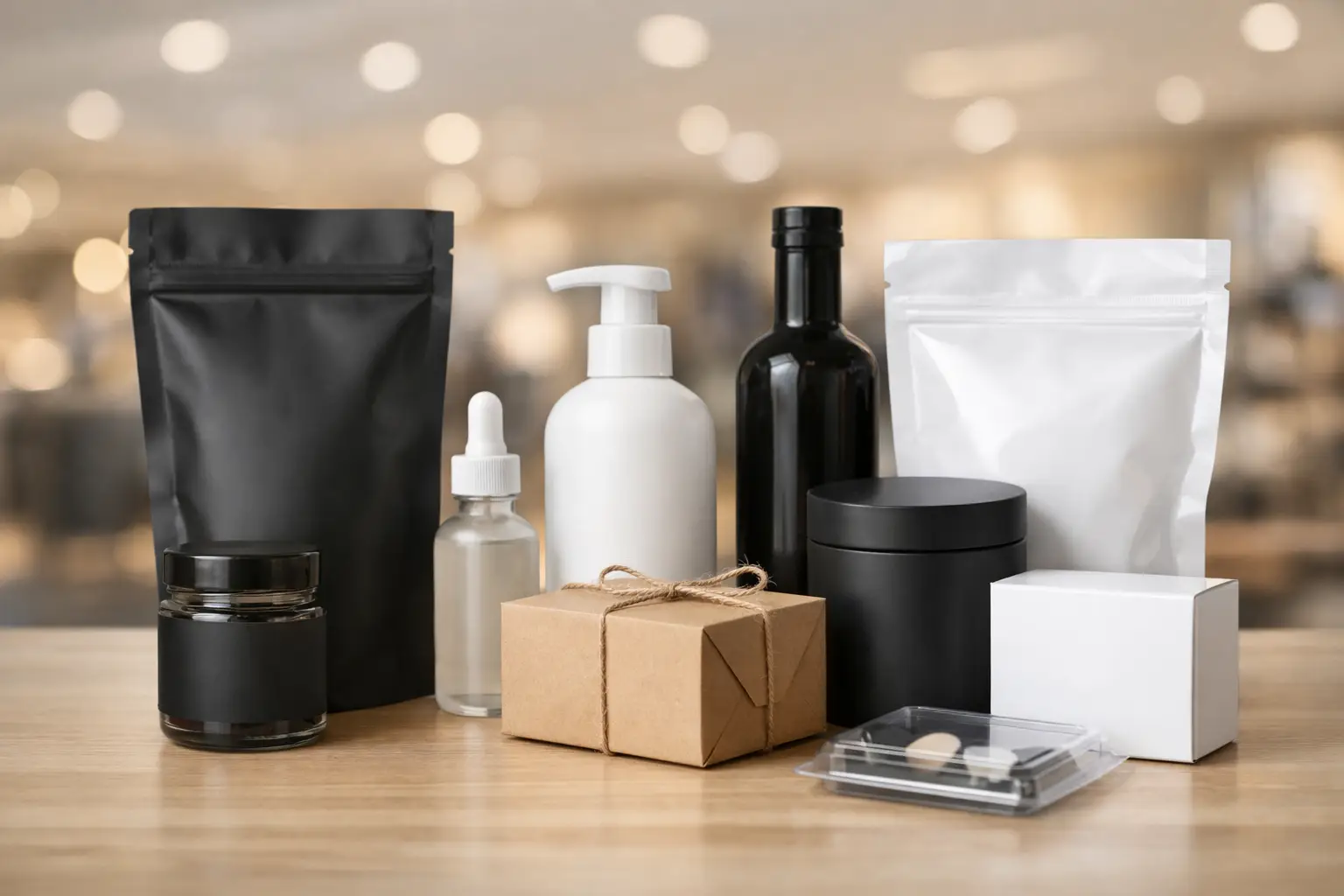
A customer stands in front of a crowded shelf for less than ten seconds before making a choice. In that brief window, packaging design for retail products has to do several jobs at once – catch attention, communicate value, build trust, and make the product feel worth buying. If any one of those pieces is off, even a strong product can be overlooked.
For businesses trying to grow brand visibility, that makes packaging more than a finishing touch. It is part of the sales process. It influences perception before a customer ever reads a review, talks to a representative, or visits your website. Good packaging helps a product compete. Great packaging helps a brand stay remembered.
Why packaging design for retail products matters so much
Retail is a fast judgment environment. Whether your product is in a big-box store, a boutique, a grocery aisle, or a visitor center gift shop, people are making snap decisions based on what they can see and understand immediately. Packaging becomes your silent salesperson.
That does not mean the loudest design wins. In some categories, bold color and large type are effective. In others, a cleaner and more restrained look signals quality. What works depends on the audience, the price point, the competition nearby, and the kind of buying decision the customer is making.
This is where many businesses run into trouble. They think packaging should mainly look attractive, so they focus on style first. But retail packaging needs to perform. It has to support brand consistency, fit operational realities, meet retail requirements, and still be easy for customers to understand at a glance.
A package can look beautiful in a mockup and still fail on the shelf. Maybe the logo disappears from a distance. Maybe the messaging is too generic. Maybe the size creates shipping inefficiencies. Maybe the design appeals internally but does not match how real buyers shop. These are not small issues. They affect margin, sell-through, and long-term brand recognition.
What effective packaging design actually does
The best packaging usually feels simple to the customer, but that simplicity is hard won. Strong retail packaging brings together visual identity, strategy, production knowledge, and customer behavior.
First, it creates recognition. A customer should be able to tell who the product is from quickly. That means the logo, color system, typography, and overall layout need to work together instead of competing for attention.
Second, it communicates hierarchy. Not every message belongs in the same visual weight. The product name, core benefit, flavor or variation, and any key differentiator should be arranged in the order customers naturally scan. If everything is emphasized, nothing is.
Third, it supports trust. Packaging sends signals about quality before a product is handled or used. Materials, printing choices, copy, and structure all shape that impression. A premium product in flimsy packaging creates doubt. A practical everyday product in overly elaborate packaging can feel overpriced or out of touch.
Fourth, it accounts for real-world conditions. Shelf placement, store lighting, shipping wear, barcode placement, required disclosures, and retailer expectations all matter. Packaging design lives in the real world, not just on a screen.
The balance between branding and buying behavior
This is often where the most productive conversations happen with clients. Businesses want packaging that reflects their identity, and that is valid. At the same time, retail packaging must match how customers make decisions.
If you sell to value-conscious shoppers, clarity may matter more than sophistication. If your buyers are comparing ingredients, features, or usage, the front panel needs to support fast evaluation. If your product is giftable, the emotional appeal and perceived quality may carry more weight.
It depends on category and context. A food product, a health item, a promotional retail item, and a government-facing informational product may all require different design priorities. The smartest approach is not to force one style across every situation, but to build packaging around the goals of the product and the expectations of the buyer.
That is why a collaborative process matters. Packaging works best when design decisions are tied to actual business objectives, not personal preference alone.
Packaging design for retail products starts with shelf reality
One of the most common mistakes in packaging projects is designing in isolation. Teams review artwork on large monitors, approve polished renderings, and feel confident. Then the product reaches the shelf and the design behaves differently than expected.
Colors may blend into competitors nearby. Fine text may become unreadable from normal viewing distance. A carefully detailed visual element may disappear under store lighting. Even package shape can affect whether the product stands out or gets lost.
That is why shelf context should be considered early. What else is around your product? Are competitors using similar colors, claims, or structures? Is your product likely to be stocked high, low, or at eye level? Will customers pick it up, or make a decision from a few feet away?
Good packaging does not just express a brand. It competes in context.
Common packaging problems that hurt retail performance
Some packaging issues are easy to spot. Others quietly reduce sales over time.
A vague front panel is one of the biggest. If customers cannot tell what the product is within seconds, you are asking them to work too hard. Another issue is overloading the design with too much copy. Businesses understandably want to include every selling point, but too much information can make the package feel cluttered and lower confidence.
Inconsistency across product lines also creates friction. If one variation looks too different from another, repeat buyers may miss it. On the other hand, if every SKU looks nearly identical, customers may grab the wrong product or fail to notice new options.
There is also the production side. Designs that ignore printing limitations, material behavior, or packaging assembly can lead to delays and added cost. A smart concept still needs to be manufacturable.
How to approach packaging decisions strategically
A practical packaging process usually starts with a few clear questions. Who is buying this product? Where are they encountering it? What do they need to understand first? What should they feel when they see it? And what operational limits need to be respected?
From there, design becomes easier to guide. Visual direction is not based on guesswork. Messaging can be prioritized. Material and format decisions can support both budget and presentation. Trade-offs become easier to evaluate because they are tied to business outcomes.
For example, a rigid box may create a stronger premium impression, but it may also increase shipping and storage costs. A more minimal label design may look elevated, but it may not communicate enough in a crowded retail category. Matte finishes can feel refined, though sometimes gloss performs better under store lighting. There is rarely one perfect answer. There is a best-fit answer for the product, customer, and channel.
Businesses with limited internal resources often benefit from working with a partner that can connect branding, packaging, and production planning. That alignment reduces revision cycles and helps avoid situations where a design looks right but fails in execution. At OneStop Northwest, that kind of cross-functional thinking is often what helps clients move from a good idea to a stronger market presence.
When redesign makes sense
Not every product needs a full packaging overhaul. Sometimes a focused update is enough. If sales are steady but the packaging looks dated, a visual refresh may improve relevance without disrupting recognition. If customers are confused about the product or line extensions are becoming hard to manage, a more strategic redesign may be necessary.
A redesign also makes sense when a business is repositioning, entering new retail channels, or trying to reach a broader audience. What worked in direct sales or local distribution may not work as well in larger retail settings.
The key is to avoid redesign for its own sake. New packaging should solve a problem, support growth, or improve the buying experience.
The long-term value of better packaging
Retail packaging is often judged by immediate shelf appeal, but its value goes further. Good packaging supports repeat purchase, strengthens recognition across channels, and makes it easier to launch new products under the same brand. It also helps teams stay consistent in marketing, sales materials, and digital touchpoints.
That consistency matters more than many businesses realize. When packaging aligns with the broader brand, customers experience the company as more credible, more established, and easier to trust.
The strongest packaging design for retail products is not about decoration. It is about clarity, fit, and persuasion. When those elements come together, packaging stops being a container and starts doing real business work.
If your product is not getting the attention it deserves, the answer may not be louder messaging or more promotional effort. It may be a better package – one that meets customers where they are, reflects your brand accurately, and gives the product a fair chance to win the shelf.