

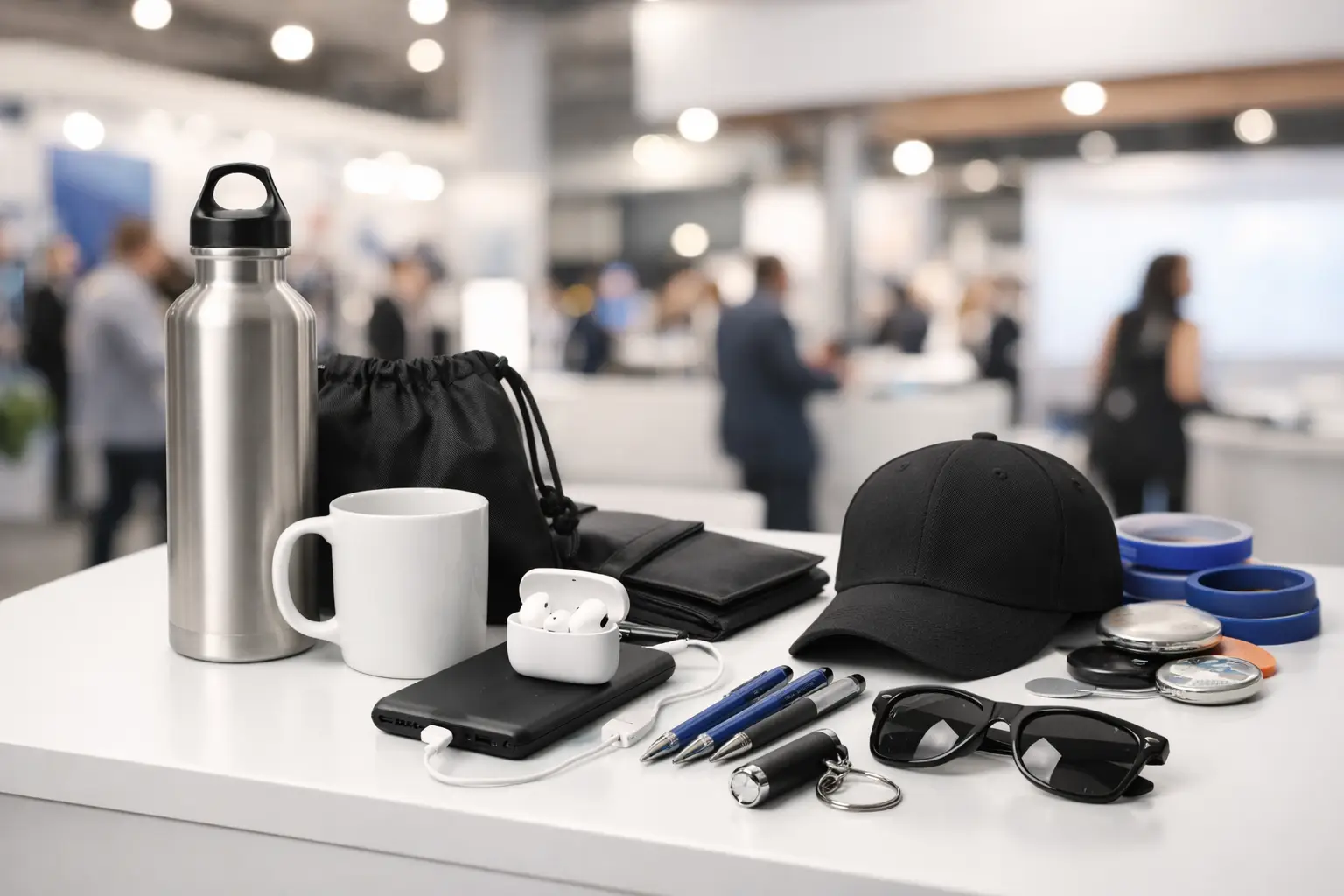
You can tell within a few seconds whether a trade show giveaway will work. Attendees either pause, smile, and tuck it into their bag, or they take it out of habit and leave it on the nearest table. That gap matters. The best giveaway items for trade shows are not just inexpensive objects with a logo on them. They are small brand experiences that make your company easier to remember after a busy event floor full of noise, color, and competing messages.
For businesses and public sector organizations alike, giveaways should support a larger goal. Sometimes that goal is booth traffic. Sometimes it is lead quality, follow-up conversations, or brand recognition in a crowded category. The right item depends on who you want to reach, what you want them to do next, and how your brand should be perceived when the event is over.
What makes the best giveaway items for trade shows?
A good trade show giveaway does at least one of three things well. It gets used, it gets seen, or it starts a conversation. The strongest items do all three.
Use matters because most attendees collect more than they can realistically keep. If your item solves a small everyday problem, it earns a longer life. Visibility matters because a giveaway that sits on a desk, hangs from a bag, or travels to other meetings keeps your brand in circulation. Conversation matters because some items naturally invite a quick exchange at the booth, which can lead to a better quality interaction than simply handing out swag to everyone walking by.
There is also a practical side that many organizations overlook. Your giveaway has to fit your budget, event goals, audience expectations, and shipping realities. A sleek premium item may impress a decision-maker audience, but it may not make sense for a high-volume public expo. On the other hand, ultra-cheap items can lower your cost per piece while quietly lowering perceived brand value.
Start with audience, not the catalog
One of the most common mistakes at trade shows is choosing products based on what is popular rather than what is relevant. A healthcare conference, a municipal procurement expo, and a regional small business event all call for different choices.
If your audience is made up of executives, buyers, or agency leaders, practical items with a polished look usually perform better than novelty products. If your audience includes a broader mix of attendees, a lighter, more universally useful item can make more sense. The point is not to impress everyone. It is to create the right impression with the people you most want to reach.
That is where strategy matters. A giveaway should reflect your positioning. If your brand is organized, reliable, and tech-forward, the item should reinforce that. If your organization is community-focused and approachable, the item can feel warmer and more personal. At OneStop Northwest, this kind of alignment is often what separates promotional products that get attention from those that actually support business development.
15 giveaway items that consistently work
Tote bags
Tote bags remain one of the strongest trade show options because they offer immediate utility. People need a place to carry brochures, samples, and other items, so your branding gets seen throughout the event. The catch is quality. Thin bags often get discarded quickly, while sturdy, well-designed totes can stay in use for months.
Water bottles
Reusable water bottles appeal to a wide audience and have strong post-event value. They work especially well when your branding is clean and understated. If the bottle looks good enough for an office or gym bag, it has staying power.
Phone chargers or power banks
These are high-perceived-value items, and they fit naturally with business audiences who rely on devices all day. They are more expensive than standard giveaways, so they are often better reserved for qualified leads, scheduled meetings, or VIP attendees rather than general booth traffic.
Webcam covers
Small, inexpensive, and relevant to privacy-conscious professionals, webcam covers are a smart option for technology, security, and professional services brands. They are compact and easy to distribute, but design matters because poor-quality adhesive can create a bad experience.
Branded notebooks
A notebook still works because people actually use it. At conferences, it can be used immediately for notes. Later, it may live on a desk or in a meeting bag. Pairing a notebook with a thoughtful cover design often makes it feel more valuable than its cost suggests.
Pens that write well
Pens are easy to dismiss, but they remain effective when they are chosen carefully. A cheap pen that skips ink hurts your brand more than it helps. A comfortable pen with smooth performance still earns repeat use and broad visibility.
Lip balm
Lip balm is one of those practical items that attendees often appreciate more than expected, especially in convention centers with dry air. It is small, easy to carry, and often kept long after the event. For broad audiences, it can outperform flashier options.
Hand sanitizer
Hand sanitizer continues to be a useful giveaway, particularly at busy events where people meet dozens of others in a day. It supports a helpful brand impression and works well across industries. A travel-friendly size is usually the best fit.
Screen cleaning cloths
Simple and affordable, these cloths are useful for phones, tablets, glasses, and laptop screens. Because they get used repeatedly, they can deliver strong brand visibility over time. They are especially effective for technology and office-focused audiences.
Badge holders or lanyards
These items shine when the event format supports them. If attendees need badges throughout the show, a well-made lanyard can put your brand in front of a large audience. The limitation is that some event organizers provide their own, so timing and event rules matter.
Sticky note sets
A compact desk item with recurring utility, sticky note sets are practical for office environments and easy to brand. They are not exciting, but that is not always a drawback. Useful often beats memorable if your goal is repeated exposure.
Mini first-aid kits
These stand out because they feel thoughtful. A small kit can live in a car, desk drawer, backpack, or travel bag, which extends the life of the item. They are especially strong for organizations that want to project preparedness and reliability.
Cable organizers
As more attendees carry multiple devices, cable organizers have become more relevant. They solve a real everyday annoyance, and that kind of usefulness gives them staying power. They also pair well with brands that want to look efficient and modern.
Travel mugs
Travel mugs can be excellent for B2B events where attendees commute, travel, or work in office settings. Like water bottles, they work best when the design feels attractive enough to use in public. Cheap plastic versions can undercut the effect.
Eco-friendly seed paper or reusable products
For organizations that want to highlight sustainability, eco-conscious giveaways can be a good fit. The key is authenticity. If sustainability is not part of your broader brand behavior, these items can feel performative. When aligned with your values, though, they can leave a strong impression.
When cheaper is smarter, and when it is not
Not every event calls for premium products. If your goal is broad awareness at a high-traffic expo, affordable items with real utility can be the best use of budget. Screen cloths, lip balm, notebooks, and pens often win here because they balance cost and usefulness.
Premium items are better when your booth strategy is more targeted. If your team is booking demos, hosting meetings, or speaking with procurement decision-makers, a higher-value giveaway can reinforce the importance of that conversation. In that setting, the item becomes part of relationship building rather than a simple traffic driver.
This is where many organizations benefit from a tiered approach. A lower-cost giveaway can attract and engage general traffic, while a more substantial item is reserved for qualified prospects. That structure helps control costs without making every interaction feel transactional.
Branding details that change results
Even the best giveaway item can fail if the branding is off. Oversized logos, cluttered layouts, and poor color choices can make a product feel disposable. Clean design usually performs better because people are more willing to use items that do not look overly promotional.
Placement matters too. On some products, a subtle logo is more effective than a loud one. On others, especially bags and lanyards, visibility is part of the value. The right balance depends on the product and the setting in which it will be used.
It also helps to think beyond the item itself. Packaging, booth presentation, and how your team introduces the giveaway all affect perceived value. A well-chosen product handed over with a relevant conversation feels intentional. Tossed into a bag with no context, it becomes just another freebie.
How to choose the right trade show giveaway for your event
Start by asking what success looks like. If you want foot traffic, choose items with broad appeal and immediate usefulness. If you want stronger follow-up opportunities, use giveaways to support a more selective booth interaction. If you want to reinforce brand credibility, prioritize quality and design over novelty.
Then consider your audience environment. Will they be traveling by plane and avoiding bulky items? Will they be walking the floor all day and appreciate lightweight products? Are they likely to work at desks, on job sites, in schools, or in government offices? The best answer usually comes from daily context, not trend lists.
Finally, make sure the giveaway fits the rest of your brand presence. Your booth graphics, messaging, handouts, and follow-up process should all point in the same direction. A giveaway should not carry your event strategy by itself. It should support a clear, well-planned experience.
Trade show giveaways work best when they respect the attendee’s attention. Choose something useful, brand it thoughtfully, and connect it to a real conversation. When that happens, a small item can do much more than fill a tote bag. It can keep your brand in the room long after the booths come down.