

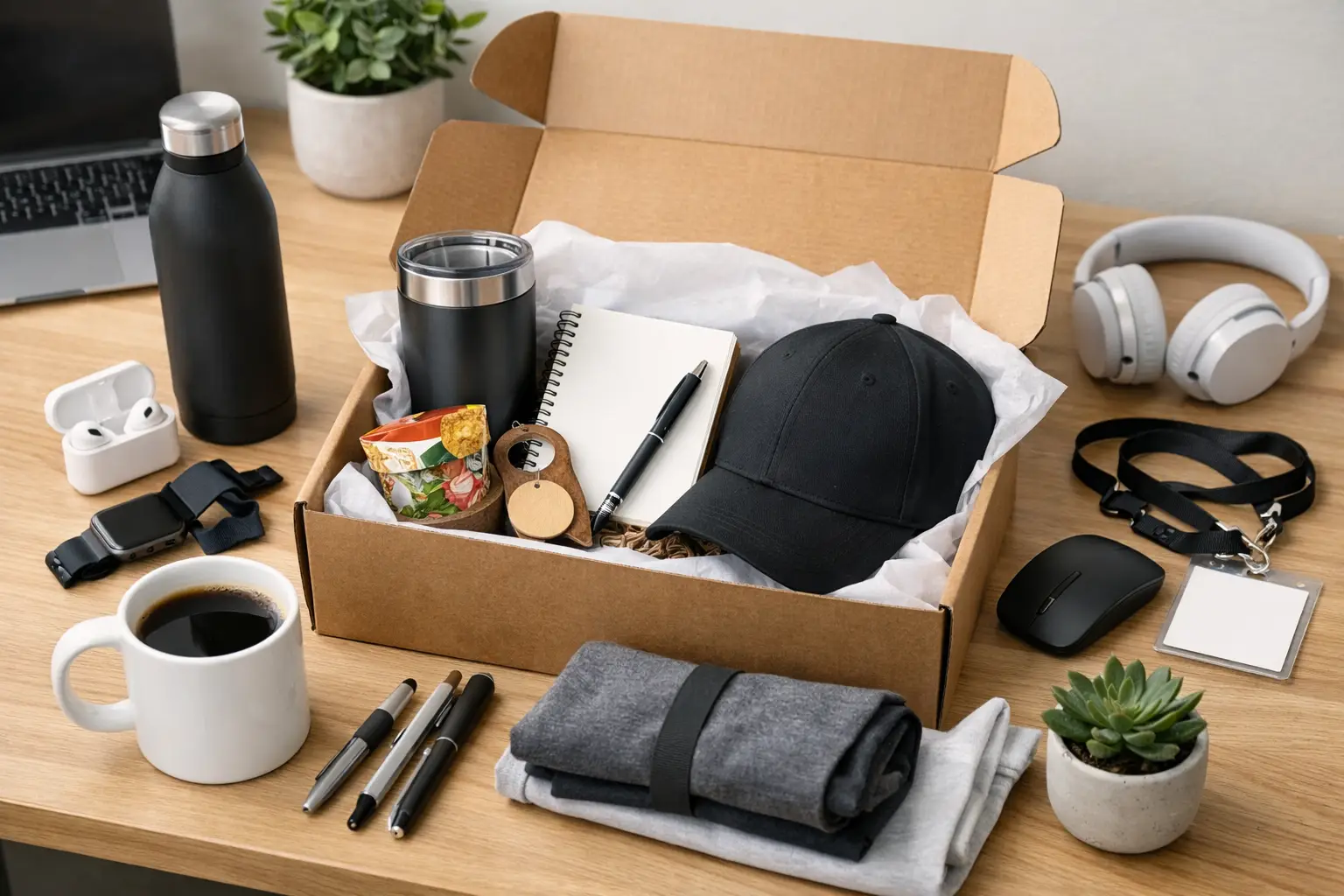
A new hire can tell a lot about a company before their first team meeting even starts. If their laptop arrives late, paperwork is confusing, and the only welcome gift is a generic pen, that first impression sticks. The best employee welcome kits ideas do more than fill a box – they help people feel expected, equipped, and genuinely welcomed.
For growing businesses and public sector teams alike, welcome kits are not just a nice gesture. They are part onboarding tool, part brand experience, and part culture signal. A thoughtful kit tells a new employee, “We planned for your arrival.” That matters more than most organizations realize.
What makes the best employee welcome kits ideas work
A strong welcome kit balances usefulness with personality. If it is all branded swag, it may look polished but feel disposable. If it is only practical paperwork and equipment, it can feel cold. The right mix depends on your team, your budget, and the kind of experience you want employees to have from day one.
In most cases, the best kits include three layers. First, there are essentials that help someone get started quickly. Second, there are culture-building items that make the company feel human. Third, there are branded details that reinforce identity without overwhelming the package.
That mix looks different for a remote software engineer than it does for a city department administrator or a warehouse operations coordinator. A useful kit should reflect the actual role, not just the company logo.
12 best employee welcome kits ideas to consider
1. Start with the tools they need immediately
The most appreciated welcome item is often the least flashy. Employees want to know they can log in, get organized, and begin their work without chasing down basic supplies. Depending on the role, that may include a laptop, headset, charger, notebook, ID badge holder, or a simple quick-start guide.
This is where many onboarding kits either succeed or fail. A branded tumbler is nice, but it will not make up for missing login instructions or delayed equipment.
2. Include a clear printed welcome note
A short note from a manager or leadership team adds a personal touch that email rarely matches. It does not need to be dramatic. It just needs to sound real.
A note can set expectations, express enthusiasm, and make the experience feel intentional. For organizations with multiple departments or locations, this small step also helps humanize a larger system.
3. Add an employee handbook summary, not a paper overload
New hires need information, but they do not need a box stuffed with forms they will never read. A concise printed guide works better than a thick packet. Include the essentials: first-week schedule, key contacts, tech access steps, workplace values, and where to find full policies.
This is especially helpful for organizations that want more consistent onboarding across teams. A lighter, well-organized insert often gets used. A heavy binder often gets ignored.
4. Choose one or two branded items people will actually keep
The best branded pieces are practical enough to become part of daily work. Think insulated mugs, quality notebooks, laptop sleeves, desk pads, or durable tote bags. These items reinforce your visual identity while staying useful.
Quality matters here. One well-made branded item does more for your brand than five low-cost giveaways that end up in a drawer.
5. Make remote employee kits feel complete
Remote employees often feel the gaps in onboarding more sharply because they do not have the benefit of hallway conversations or quick desk-side help. Their kits should close that distance.
That may mean including a webcam cover, ring light, blue light glasses, home office stipend details, or a printed team directory with photos. A remote kit should signal that the company has thought about the employee’s actual environment, not just the headquarters experience.
6. Reflect company culture without forcing it
Culture items can be great when they feel authentic. A local snack box, mission card, team photo, or book tied to your leadership philosophy can make the welcome feel more personal. But there is a difference between showing culture and trying too hard to manufacture it.
If your workplace is formal and service-driven, your kit should reflect that. If your team is highly creative and casual, the presentation can be more relaxed. A mismatch between the kit and the real work environment can feel off quickly.
7. Include a first-week roadmap
One of the most helpful additions to any welcome kit is a simple roadmap for the employee’s first few days. This could outline meetings, training steps, team introductions, and milestones for week one.
It reduces uncertainty and gives managers a more consistent onboarding structure. For employers trying to improve retention, this kind of clarity can matter as much as any physical item in the box.
8. Personalize by role or department
Not every employee should receive the exact same kit. Core branding can stay consistent, but the contents should adapt to the employee’s role. A field technician may need safety gear or mobile accessories. An HR coordinator may need policy materials and communication tools. A sales hire may benefit from presentation materials and branded client-facing items.
This kind of customization shows operational maturity. It also prevents waste.
9. Use packaging as part of the experience
Presentation matters because it shapes perception before the box is even opened. Clean packaging, organized compartments, and thoughtful inserts make the kit feel intentional. It does not have to be expensive, but it should feel coordinated.
For companies focused on brand consistency, welcome kits are one of the few internal experiences that combine design, messaging, and utility in one place. That is why many organizations treat them as an extension of their brand standards, not just an HR task.
10. Add something local or mission-connected
Some of the best employee welcome kits ideas include a detail that ties the organization to its region, community, or purpose. That could be coffee from a local roaster, a product from a nearby maker, or a short story about the organization’s impact.
This works especially well for businesses and government organizations that want employees to feel connected to place and purpose, not just process.
11. Keep wellness in mind
Wellness items can be meaningful when chosen carefully. A reusable water bottle, healthy snacks, ergonomic mouse pad, or simple self-care item can signal that employee well-being is part of the culture.
The key is to stay practical. Wellness should not feel performative. Employees tend to appreciate items that make daily work a little easier, not symbolic gestures with no real use.
12. Build the kit into a broader onboarding system
The strongest welcome kits are part of a larger experience. They support IT readiness, HR communication, manager check-ins, and brand consistency. If the box is excellent but the onboarding process is disorganized, the impact fades quickly.
That is why planning matters. Many organizations see better results when welcome kits are developed alongside onboarding workflows rather than treated as a last-minute add-on.
How to choose the right employee welcome kit for your organization
The right kit starts with a simple question: what does this employee need to feel confident and included on day one? Budget matters, of course, but relevance matters more.
If you are onboarding a handful of hires each quarter, personalization may be easy and worthwhile. If you are supporting high-volume hiring across departments, standardization may be more important. In those cases, a strong core kit with a few role-specific variations is often the best approach.
You should also think about brand consistency. Fonts, colors, messaging, packaging, and item quality all send signals. When they align, the experience feels polished. When they do not, even a generous kit can feel pieced together.
This is where a coordinated strategy helps. Companies that approach onboarding through both an HR and brand lens tend to create stronger first impressions because they are not just sending products. They are shaping an experience.
Common mistakes that weaken welcome kits
One common mistake is overloading the box with cheap promotional items. More products do not automatically mean more impact. A cluttered kit can feel less valuable than a smaller one built around quality and usefulness.
Another issue is poor timing. If the welcome kit arrives after the employee has already started, it loses much of its value. The best kits arrive before day one or are waiting at the employee’s workspace.
There is also the problem of inconsistency. If one department sends a polished package and another sends almost nothing, employees notice. Standardizing the experience across teams helps reinforce fairness and professionalism.
For organizations trying to improve onboarding, retention, and brand perception at the same time, welcome kits are a practical place to start. At OneStop Northwest, we have seen how branded materials work best when they are tied to a larger communication strategy rather than treated as stand-alone merchandise.
Why these ideas matter more than they seem
A welcome kit is not going to fix a broken culture or replace good management. But it can support both when done well. It gives structure to the first day, reinforces your identity, and helps employees feel like they joined an organization that pays attention.
That is really what new hires are looking for. Not extravagance. Not gimmicks. Just clear signs that their arrival was planned, their role matters, and the company is ready for them.
If your team is reviewing the best employee welcome kits ideas, aim for a kit that is useful first, branded second, and personal throughout. The best ones do not just welcome people. They help them begin with confidence.