

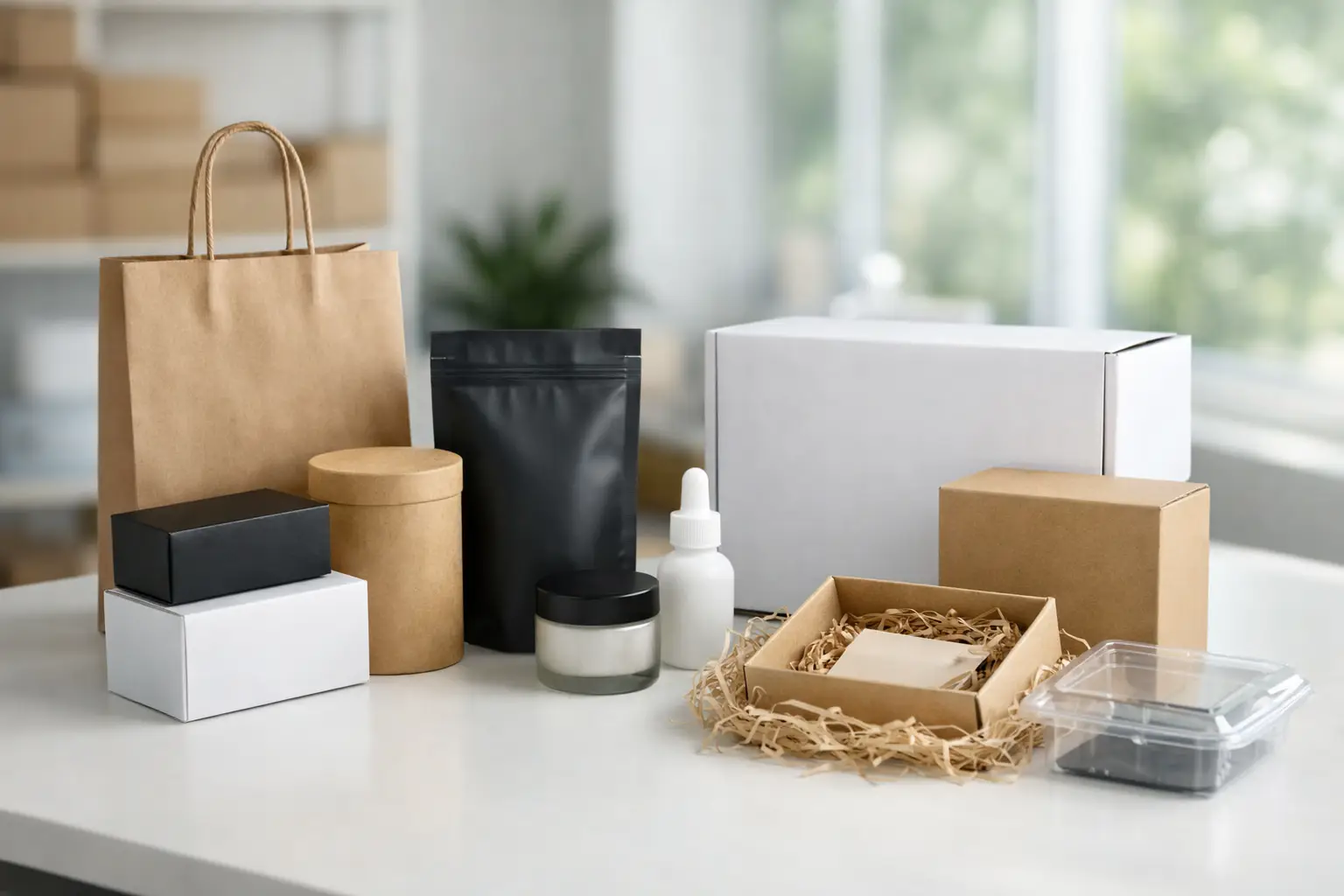
A customer picks up your product, pauses for three seconds, and makes a decision. In many cases, packaging does the talking before your sales team, website, or ad campaign ever gets a chance. That is why choosing the best packaging solutions for brands is not just a design exercise. It is a business decision that affects perception, margins, customer trust, and repeat sales.
For growing companies, packaging often becomes a pain point right when momentum starts building. A box that worked for local orders may not hold up in e-commerce shipping. A label that looked fine in a short run may feel inconsistent across a larger product line. A low-cost material may save money upfront but create damage claims, storage issues, or a weaker brand impression later. The right answer is rarely about finding one packaging format that does everything. It is about aligning packaging with how your brand is positioned, how your products move, and what customers expect when they open the package.
What the best packaging solutions for brands actually do
Good packaging protects a product. The best packaging solutions for brands go further. They communicate quality, reinforce brand identity, support operational efficiency, and create a more memorable customer experience.
That sounds straightforward, but trade-offs show up quickly. Premium rigid boxes can elevate perceived value, yet they may increase shipping costs and take up more warehouse space. Flexible packaging can reduce material use and freight costs, but it may not fit brands that rely on a high-end unboxing experience. Sustainable materials can strengthen brand reputation, though they sometimes require testing to ensure they perform well under heat, moisture, or rough handling.
The key is to stop treating packaging as a separate decision from branding and operations. It sits right in the middle of both.
Start with the job packaging needs to do
Before choosing materials or printing methods, define the actual role packaging plays for your business. A food product on a retail shelf has different demands than a promotional kit handed out at an event. A subscription box needs to create anticipation and consistency over time. A government or institutional supplier may need packaging that prioritizes clear labeling, compliance, and durability over visual flair.
This is where many brands overspend or underinvest. They choose packaging based on trends, competitor imitation, or unit cost alone. A better approach is to ask a few practical questions. Does the product need protection from crushing, moisture, light, or tampering? Will customers see it on a shelf, receive it in the mail, or both? Is speed of packing important for your team? Will the packaging need to work across multiple SKUs without constant redesign?
When those answers are clear, the options narrow in a useful way.
For retail brands, shelf impact matters first
Retail packaging has one job before any other – get noticed without confusing the buyer. That means structure, color, typography, and finish all need to support quick recognition. If your packaging looks polished but hides the product benefit, it loses. If it is loud but inconsistent with your broader identity, it weakens long-term brand recall.
Cartons, folding boxes, blister packs, and stand-up pouches are common retail choices because they balance print visibility with practical protection. The best choice depends on the product category, display environment, and pricing strategy. A premium beauty item may benefit from a rigid box or a soft-touch carton. A snack or supplement line may perform better with flexible pouches that reduce freight and maximize shelf frontage.
For e-commerce brands, durability and experience share the spotlight
Online brands need packaging that survives shipping while still feeling intentional when it arrives. Corrugated mailers, custom inserts, padded envelopes, and tamper-evident seals all play a role, but overpackaging can hurt just as much as underpackaging. Customers notice wasted space, excessive filler, and materials that are difficult to recycle.
Well-designed e-commerce packaging should protect the product, control dimensional weight, and present the brand clearly. Sometimes the smartest move is a simple branded mailer with a well-fitted insert and clean messaging inside the lid. It does not need to be elaborate to feel thoughtful.
The most effective packaging formats for growing brands
There is no universal winner, but a few solutions consistently work well across industries.
Corrugated packaging remains one of the most versatile options because it is durable, printable, and adaptable for both shipping and presentation. It works especially well for e-commerce, kits, and multiproduct shipments. Folding cartons are strong candidates for retail products because they provide a good print surface, store flat, and scale efficiently. Flexible pouches are often cost-effective for food, wellness, and refill products, especially when shelf life and shipping weight matter.
Rigid boxes make sense when presentation is central to the perceived value of the product, such as premium gifts, electronics, or luxury goods. Labels and sleeves are useful when a brand needs flexibility, short runs, or seasonal updates without changing the full packaging structure. Inserts, whether molded, paper-based, or foam, matter more than many businesses realize because they improve protection and make the package feel purposeful rather than improvised.
Each of these can be the right answer. Each can also be the wrong one if it does not match your sales channel, budget, and customer expectation.
Materials, sustainability, and cost are always connected
Many businesses approach sustainable packaging as a branding statement, but it is also an operational choice. Recyclable paperboard, post-consumer materials, and reduced-plastic formats can support your values and appeal to buyers who care how products are made and shipped. At the same time, material changes can affect print quality, product protection, storage conditions, and lead times.
A compostable option may sound ideal, but if it breaks down too easily in humid conditions or costs significantly more without adding market value, it may not be the best fit. On the other hand, reducing package size by even a small amount can lower shipping costs, save storage space, and cut material waste all at once. That kind of change often produces more measurable business value than a sustainability claim alone.
The best packaging decisions come from balancing three things: performance, brand perception, and total cost. Not just unit cost. Total cost includes shipping, damage rates, handling time, and reordering complexity.
Design consistency matters more than decoration
A common packaging mistake is treating every product as a separate creative project. That usually leads to visual inconsistency, longer approval cycles, and a brand that feels fragmented. Strong packaging systems are built around repeatable rules. The logo placement is consistent. Typography feels related across SKUs. Colors are intentional. Product variations are easy to identify without making the line look disconnected.
This matters especially for businesses trying to improve visibility in a crowded market. Packaging should help customers recognize your brand quickly, whether they are seeing one product on a shelf, receiving a shipment, or reviewing a product photo online.
For organizations with limited internal design resources, this is where a strategic partner can save time and prevent expensive revisions. A packaging system should not only look right. It should be easy to maintain as your product line grows. At OneStop Northwest, that kind of connected thinking matters because packaging works best when it supports the larger brand instead of operating on its own.
How to choose the best packaging solutions for brands with multiple needs
If your business serves different channels or audiences, you may need more than one packaging approach. That does not mean your brand has to feel inconsistent. It means the system needs to be flexible.
For example, a company may use a polished folding carton for retail placement, a corrugated mailer for direct-to-consumer shipping, and a simplified bulk package for institutional or government orders. The structure changes, but the branding principles stay consistent. That is often a smarter approach than forcing one package style to do three different jobs.
Testing also matters. Before committing to a large run, review samples in real conditions. Ship them. Stack them. Put them in front of actual buyers or internal stakeholders. Check whether the labeling is clear, whether the opening experience feels intuitive, and whether the packaging still represents the quality you want associated with your brand.
Small adjustments at this stage can prevent bigger problems later. A slight size change may reduce freight costs. A stronger insert may cut returns. A cleaner front panel may improve conversion because customers understand the product faster.
Packaging should support growth, not slow it down
The best packaging is not always the flashiest or the cheapest. It is the packaging that helps your brand show up consistently, protects the product, works within your operations, and makes sense for the customer experience you want to deliver.
If your current packaging creates confusion, damage, rising costs, or an uneven brand impression, that is usually a sign that the business has outgrown its earlier solution. That is a good problem to have, but it still needs a deliberate fix. Packaging should keep pace with growth, not become the thing that makes growth harder.
A thoughtful packaging strategy gives your brand one more advantage where it counts most – right at the moment someone decides whether your product feels worth buying again.