

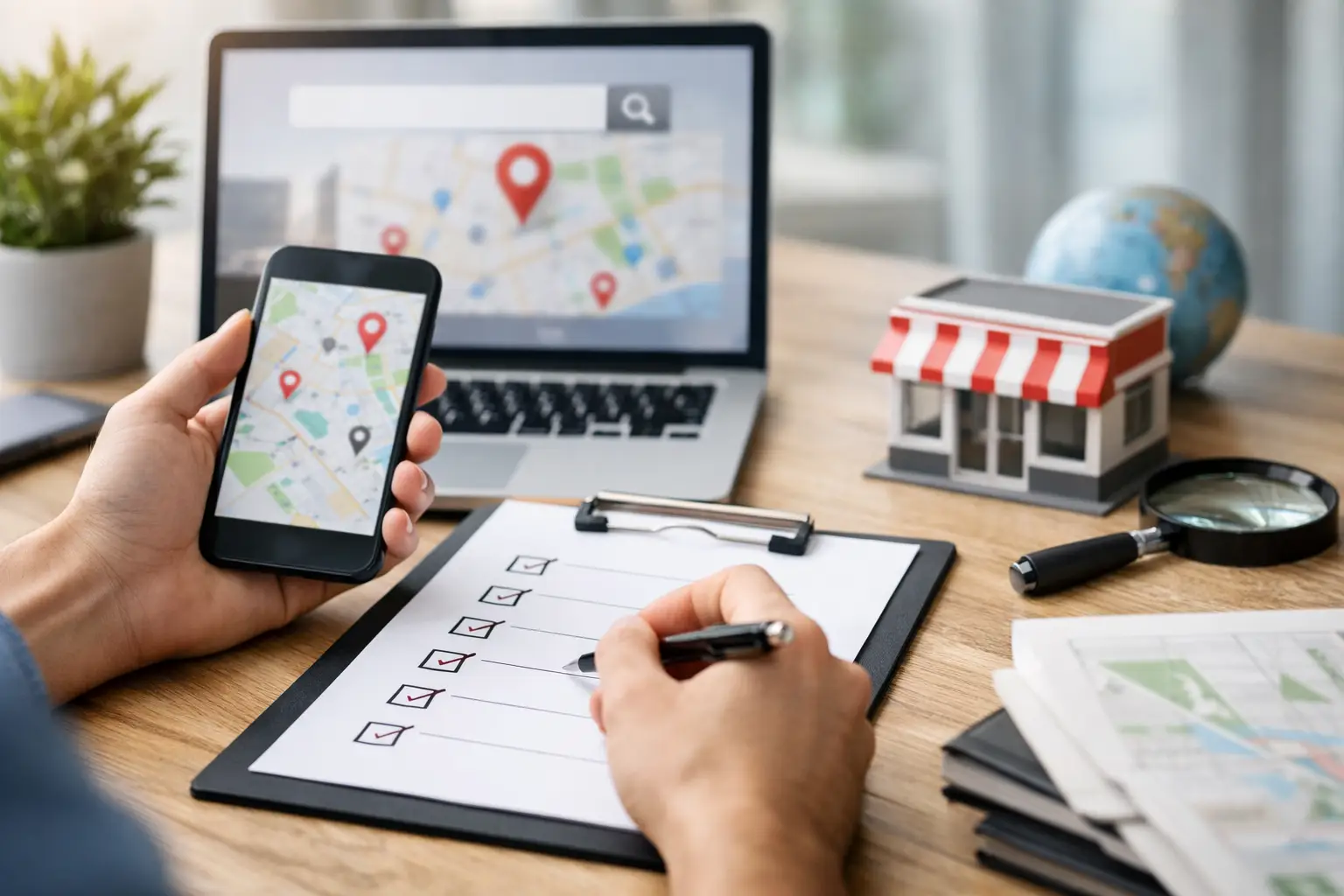
When a customer searches for a plumber, café, contractor, or consultant near them, they are usually ready to make a decision. A small business local SEO checklist helps make sure your business appears accurately, credibly, and consistently at that critical moment. It is not about chasing every marketing trend. It is about removing the gaps that keep nearby customers from finding, trusting, and contacting you.
Local SEO works best when it supports the full customer experience. Your Google Business Profile, website, reviews, business information, and response process should all tell the same story. A strong local presence can bring more calls and visits, but only if the information customers see matches what they experience after they reach out.
Why Local SEO Is a Business Operations Issue
Many businesses treat local SEO as a one-time listing project. They claim a profile, add a few photos, and move on. The problem is that search engines and customers both rely on current, consistent signals. A wrong phone number, old holiday hours, duplicate listing, or unanswered review can create friction before a prospect ever speaks with your team.
For service businesses, local SEO may be the primary way people discover you. For retailers, restaurants, and offices, it helps customers choose where to go. Government contractors and professional firms can also benefit, especially when local credibility and a recognizable brand influence the short list.
The goal is not necessarily to rank in every nearby city. That can spread your effort too thin. The better goal is to be highly useful and easy to verify within the locations and service areas that matter most to your business.
Small Business Local SEO Checklist
Work through this checklist in order. Foundational accuracy comes before content volume, and customer trust comes before vanity metrics.
1. Confirm your business identity everywhere
Start with your core business details: official business name, address, phone number, website, hours, primary category, and service area. These details should be consistent across your website, Google Business Profile, social profiles, directories, invoices, and printed materials.
Use your real business name. Adding a city name or extra services to the name field simply to influence rankings can create compliance problems and confusion. If your business has moved, changed phone systems, or rebranded, prioritize correcting older listings. A polished new website cannot fully offset conflicting business information found elsewhere.
2. Build out your Google Business Profile
Your Google Business Profile is often the first impression a local customer receives. Choose the most accurate primary category, then add relevant secondary categories only when they reflect services you genuinely provide. Categories affect the searches where you may appear, so accuracy matters more than trying to cover every possible term.
Write a clear description that explains who you serve, what you do, and what makes your approach different. Add current hours, special holiday hours, appointment options, service areas, and a direct website destination. If you serve customers at their location rather than a storefront, set the profile up as a service-area business rather than displaying an address where customers cannot visit.
Photos matter because they reduce uncertainty. Include your exterior signage if customers visit you, plus interior shots, team photos, completed work, products, vehicles, or process images that show what doing business with you actually looks like. Avoid generic stock images when possible. Real images create stronger confidence.
3. Give every location a useful website page
A business with one physical location should have a clear contact or location page. Multi-location businesses need a dedicated page for each real location, with the correct name, address, phone number, hours, map details, services, photos, and local context.
Do not create thin pages for dozens of cities where you have no office or meaningful presence. Search engines may view that as low-value location targeting, and visitors may feel misled. If you serve a broad region, explain your actual service area naturally on relevant service pages and include examples of the communities or project types you support.
Your page title, main heading, and page copy should make the location and service clear without repeating the same phrase unnaturally. A page built for people will generally answer practical questions: What do you offer here? Who does it help? How do customers request service? What should they expect next?
4. Make contact information easy to use on mobile
Local search traffic is heavily mobile, often from people between appointments, at a job site, or standing outside a business. Your phone number should be easy to find and tap. Your contact form should work on a small screen and ask only for information your team truly needs to respond.
Test the experience yourself. Submit a form, click the phone number, request directions, and review the confirmation message. If a potential customer contacts you but waits two days for a response, the marketing investment loses value. Local visibility and follow-up procedures need to work together.
5. Earn reviews with a consistent process
Reviews are not just a ranking factor. They are evidence that a business delivers on its promises. Ask for feedback after a completed service, successful delivery, or positive customer interaction, when the experience is still fresh. A simple, polite request is more sustainable than asking only when business is slow.
Do not offer incentives in exchange for positive reviews or pressure customers to use specific wording. Instead, make it easy for every satisfied customer to share an honest experience. Train staff on when and how to ask, particularly if they are the people customers remember most.
Respond to reviews professionally, including critical ones. Thank positive reviewers without using a copied response every time. For negative feedback, acknowledge the concern, avoid sharing private details, and offer a productive path forward. A thoughtful response can reassure future customers even when the original experience was imperfect.
6. Publish local proof, not filler content
Strong local content reflects real expertise and real work. It may include project spotlights, service explanations, seasonal advice, neighborhood-specific considerations, frequently asked customer questions, or guidance on preparing for a service appointment.
For example, a commercial IT provider can explain how a local office should prepare for a hardware refresh. A roofing company can discuss storm-damage documentation. A retailer can highlight new inventory and events. The content should solve a problem your customers actually have, not exist solely to mention a city name repeatedly.
Keep brand visuals and messaging consistent as you publish. A recognizable logo, professional photography, clear tone, and aligned service descriptions help customers connect a search result, a map listing, and a website visit to the same trusted organization.
7. Check citations, duplicates, and industry listings
Citations are mentions of your business details on directories, association pages, vendor listings, chambers of commerce, and industry platforms. Relevant listings can reinforce your legitimacy, but quality is more useful than quantity. Focus on major business directories, local organizations, and platforms customers in your field actually use.
Look for duplicate profiles, old addresses, former phone numbers, and inconsistent abbreviations that could confuse customers or search engines. If a directory will not update promptly, document the issue and focus your energy on listings with meaningful visibility. You do not need to pay for every directory package to build a credible local presence.
Keep Technical Basics From Undermining Good Work
A local business website does not need to be complicated, but it must be reliable. It should load reasonably quickly, use secure browsing, display well on phones, and provide a clear path to contact the business. Broken pages, confusing navigation, and outdated service descriptions create avoidable doubt.
Add structured business information where appropriate so search engines can better understand your organization, address, hours, services, and reviews. This is helpful, but it is not a substitute for accurate visible content. Technical enhancements work best when the underlying business information is already sound.
If your website has been rebuilt or your domain has changed, confirm that important old pages redirect to the right new pages. Lost redirects can erase useful visibility and send customers to dead ends. This is one reason local SEO benefits from coordination between branding, web development, and marketing rather than isolated tasks.
Measure the Actions That Lead to Revenue
Rankings are useful directional signals, but they do not pay invoices. Track the actions that show local customers are moving closer to doing business with you: calls, contact forms, appointment requests, direction requests, quote submissions, and qualified leads.
Review performance monthly, not just when traffic drops. Look for patterns. Are people finding your profile but not visiting the website? Is one service page generating calls while another gets attention but no inquiries? Are reviews mentioning a service you have not emphasized in your marketing? These details can guide smarter decisions about content, staffing, offers, and customer communication.
Local SEO is also influenced by competition, distance, search intent, and your service model. A storefront may benefit from proximity-based searches, while a mobile provider may need to earn visibility across a wider area through strong service pages, reviews, and local relevance. There is no single ranking position that guarantees success.
The most valuable next step is simple: choose one customer-facing gap from this checklist and fix it this week. A corrected phone number, better review process, or clearer service page can make it easier for the right local customer to choose you with confidence.