

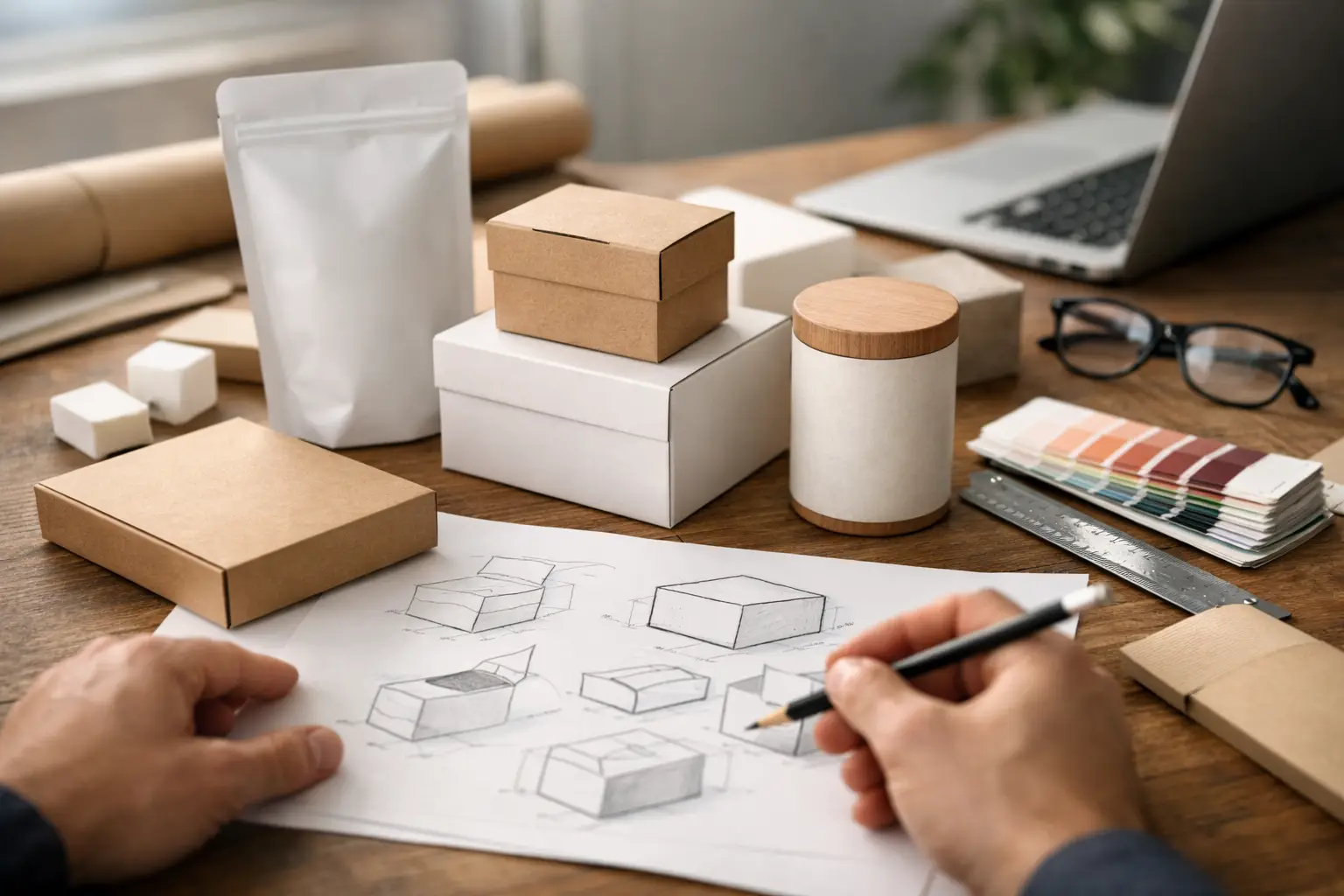
A product can be excellent and still struggle if the packaging sends the wrong message. We see this often with growing businesses – the formula is strong, the product works, and the team has done the hard part of building something worth selling. Then the packaging falls into a familiar trap: it looks generic, costs too much, creates production issues, or misses what buyers need to feel confident at first glance.
That is why learning how to plan product packaging design matters before anyone starts choosing colors or requesting mockups. Good packaging is not just about appearance. It affects perception, logistics, compliance, margins, and whether your brand feels consistent wherever customers encounter it.
How to plan product packaging design starts with the product itself
The first step is simple, but it is often rushed. Before design concepts begin, you need a clear understanding of what the packaging has to do.
A lightweight retail item has different packaging needs than a fragile product shipped nationally. A premium giftable item needs a different structure than a value-focused consumable. If the product sits on shelves, the package must compete visually in a crowded environment. If it is mostly sold online, the unboxing experience and shipping durability may matter more than shelf standout.
This is where practical questions shape better decisions. What are the product dimensions? Is it breakable, perishable, or sensitive to light, moisture, or temperature? Does it need tamper evidence? Will customers reuse the container, recycle it, or throw it away immediately? The answers influence structure just as much as branding does.
When businesses skip this stage, they usually pay for it later through redesigns, damaged goods, or packaging that looks good on screen but performs poorly in real life.
Define the business goal before the visual direction
Packaging has a job to do, and that job should be measurable. For some brands, the goal is stronger shelf visibility. For others, it is cost control, cleaner brand consistency, easier shipping, or a more premium market position.
It helps to decide what success looks like early. Are you trying to appeal to first-time buyers? Support a higher price point? Create a more professional presentation for wholesale accounts? Improve organization across a growing product line? Those are different goals, and they lead to different design priorities.
For example, a startup might need packaging that looks established without driving unit costs too high. A government-facing supplier may need packaging that is clean, legible, and compliance-focused rather than flashy. An established company introducing a new line may care most about preserving brand recognition while still giving the new product its own identity.
There is no single right answer here. The strongest packaging plans come from aligning visual decisions with business objectives, not personal taste.
Know your audience before you choose design elements
One of the most common packaging mistakes is designing for the internal team instead of the end buyer. A package may look impressive in a meeting and still miss the people who actually make the purchase.
Think about what your customer notices first and what they need to understand quickly. In many categories, buyers spend only a few seconds scanning options. That means your package should communicate the essentials fast: what the product is, who it is for, why it is different, and whether the brand feels trustworthy.
This is where audience context matters. Packaging for a boutique food brand will likely prioritize appetite appeal and storytelling. Packaging for industrial supplies may need to emphasize clarity, specifications, and ease of identification. Packaging for health and beauty often depends heavily on trust signals, ingredients, and a polished visual system.
If your audience includes procurement teams or institutional buyers, clear labeling and consistency may matter more than trend-driven aesthetics. If your audience is consumer-focused and highly visual, color, finish, and shape may carry more weight. Good planning respects those differences.
Build the packaging around your brand system
Packaging should feel like part of the larger brand, not a separate creative exercise. That means your logo, typography, colors, messaging, and brand personality all need to work together.
If your website, social media, sales materials, and packaging all look unrelated, customers notice. It creates friction, especially for businesses trying to scale. On the other hand, when packaging fits the broader brand system, it strengthens recognition and makes the business feel more established.
This does not mean every package needs to look identical. It means there should be a clear structure behind the design. A family of products might share a common layout while using color to distinguish variations. A premium line might use the same logo and typography as a standard line but elevate the materials and finish.
At OneStop Northwest, this is often where clients see the value of a more connected branding approach. Packaging works best when it supports the full identity of the business instead of operating in isolation.
How to plan product packaging design with structure, materials, and budget in mind
Visual design gets the most attention, but structural decisions usually have the biggest impact on cost and usability.
The package format should fit the product, the distribution method, and the customer experience you want to create. Boxes, pouches, labels, sleeves, tubes, blister packs, and corrugated mailers each solve different problems. A rigid box may create a premium impression, but it might also increase storage and shipping costs. A flexible pouch may lower cost and improve efficiency, but it may not support the same brand positioning.
Materials matter for both function and perception. Matte finishes, textured stocks, foil details, and specialty coatings can elevate a package, but they can also complicate production or reduce margins. Sustainable materials may support brand values and customer expectations, yet they sometimes come with trade-offs in cost, durability, or print performance.
That is why budgeting should happen early, not after the concept is approved. It is much easier to design within realistic production limits than to scale back an ambitious concept later. A good packaging plan balances visual impact with manufacturing realities.
Plan for compliance, labeling, and operational details
This part is rarely the most exciting, but it is one of the most important. Depending on the product category, packaging may need to include ingredient information, warnings, barcodes, usage instructions, legal statements, lot codes, or other regulated content.
It is wise to determine these requirements before the layout is finalized. Trying to squeeze mandatory text into a nearly finished design usually leads to clutter and compromised hierarchy. Good planning gives legal and functional information a place without overwhelming the front-facing message.
Operational details deserve the same attention. How will the package be assembled? Will labels be applied by hand or machine? Can staff pack it efficiently? Does it store well in a warehouse? Will it arrive in good condition after transit? These questions can feel secondary during the concept stage, but they have real impact on labor, consistency, and customer satisfaction.
Prototype early and test in the real world
A digital mockup can be helpful, but it is not enough. Packaging should be reviewed physically whenever possible.
Print a sample. Hold it in your hand. Put it on a shelf next to competing products. Ship it. Ask whether the text is readable, the structure is intuitive, and the overall impression matches the price and brand promise.
This stage often reveals issues that are easy to miss on a screen. Colors may print darker than expected. Important details may be too small. A package may look premium in a rendering but feel underwhelming when produced on the chosen material. Sometimes the opposite happens, and a simple concept turns out to be stronger than expected once it is physically assembled.
Testing also helps businesses make better decisions about trade-offs. If a less expensive material still communicates quality, that can improve margins. If a structural upgrade clearly improves protection or presentation, the added cost may be worth it.
Create a system that can grow with you
A lot of packaging design is treated as a one-time project. In practice, it usually needs to evolve.
You may add new SKUs, seasonal versions, larger sizes, promotional bundles, or retail-ready displays. If the original packaging plan is too narrow, every addition becomes a patchwork solution. That leads to inconsistency, delays, and extra design expense.
A better approach is to think in systems. Establish a visual framework, a content hierarchy, and production standards that can be repeated across product lines. Decide what always stays the same and what can change. That could include logo placement, typographic rules, color coding, icon usage, material specifications, or messaging zones.
This kind of planning helps businesses stay organized as they grow. It also makes handoffs smoother between marketing teams, printers, fulfillment partners, and internal staff.
Work backward from launch, not just design approval
One final planning mistake is assuming the process ends when the artwork is approved. In reality, packaging timelines often stretch because of revisions, vendor coordination, proofs, production lead times, and inventory transitions.
If you are replacing existing packaging, think about how old stock and new stock will overlap. If you are launching into retail, build in time for approvals and logistics. If the packaging is tied to a broader rebrand, make sure it aligns with your website, sales materials, and promotional efforts.
The strongest packaging plans connect creative development with operational timing. That reduces surprises and helps the finished product reach the market in a way that feels intentional.
Planning product packaging design is really about making better decisions before they become expensive ones. When the strategy is clear, the package does more than hold the product – it supports the brand, builds trust, and makes growth easier to manage. If you are at the point where your packaging needs to work harder, that is usually a sign your planning process deserves just as much attention as the design itself.