

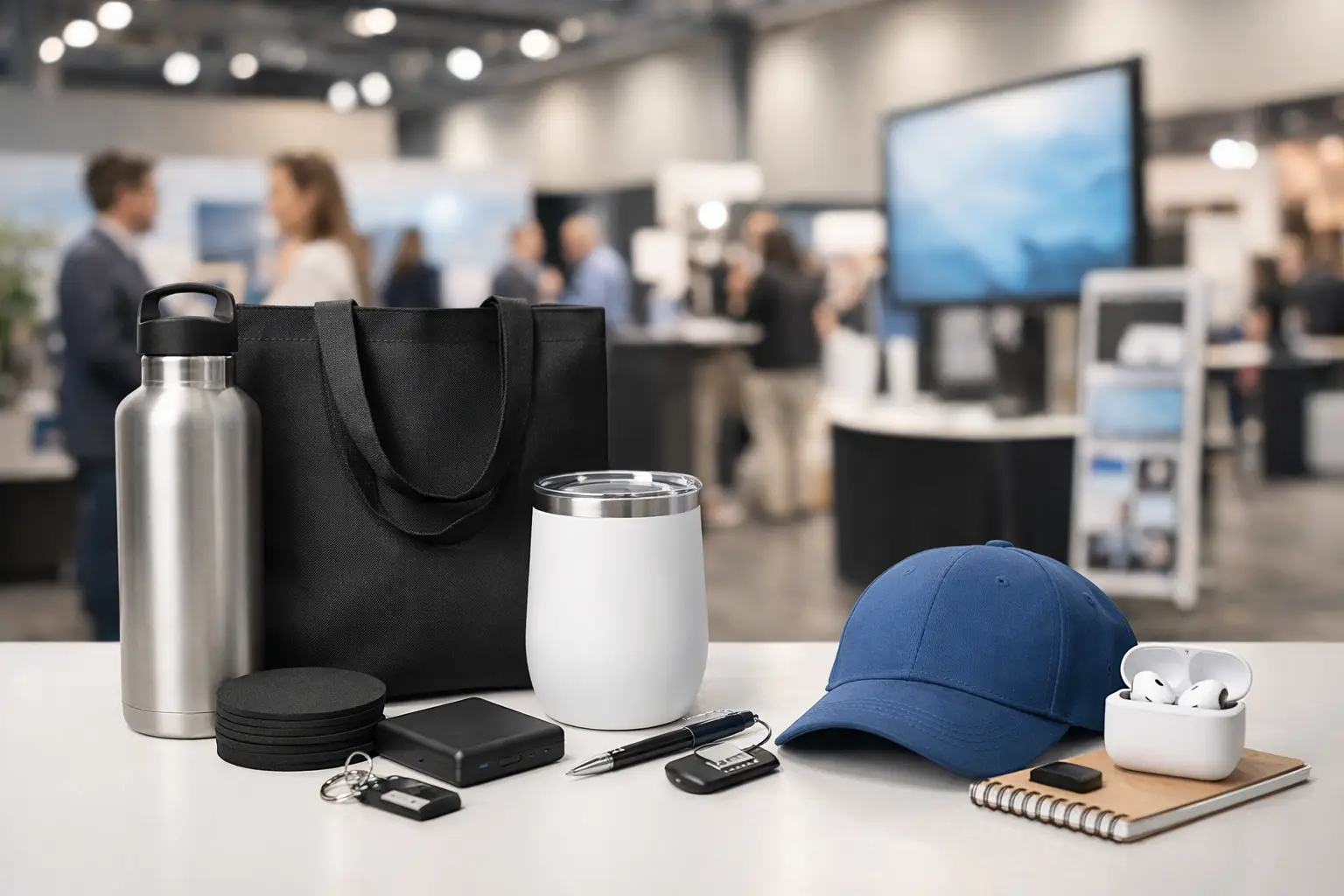
Trade show floors are crowded, loud, and full of good intentions. Most exhibitors show up with a tablecloth, a banner, a bowl of candy, and a stack of items they hope people will take home. The problem is that promotional products for trade shows only work when they do more than fill a tote bag. They need to start conversations, reinforce your brand, and stay useful after the event ends.
That is where strategy matters. A giveaway is not just a giveaway. It is often the first physical touchpoint someone has with your company. If that item feels cheap, forgettable, or disconnected from what you actually do, it sends the wrong message. If it feels practical, thoughtful, and on-brand, it helps your business stay top of mind long after attendees return to their desks.
What makes promotional products for trade shows effective
The best trade show products sit at the intersection of usefulness, relevance, and brand fit. Usefulness gets the item picked up and kept. Relevance makes it feel intentional instead of generic. Brand fit ties the experience back to your business so the product supports recognition rather than just adding clutter.
A branded pen can still work, but only in the right context. If your audience is collecting materials and taking notes throughout the day, pens remain practical. If you are targeting decision-makers who see dozens of booths, a standard pen may not be memorable enough to justify the spend. The item itself is never the whole story. The audience, event type, and your goal all shape whether a product earns attention or gets ignored.
For many organizations, the biggest mistake is choosing based on unit cost alone. Low-cost items can make sense when you need volume, especially at large public events. But for a focused B2B trade show, it can be smarter to invest in fewer, better items that support real follow-up. A product that starts a conversation with the right prospect is worth more than 500 giveaways handed to people who will never become clients.
Start with the outcome, not the catalog
Before selecting products, clarify what success looks like. Are you trying to increase booth traffic, support a product launch, book meetings, thank existing clients, or create visibility in a competitive exhibit hall? Each goal points to a different type of item.
If booth traffic is the priority, you need something with immediate appeal. That might be a practical item attendees can use during the event, such as hand sanitizer, portable chargers, badge holders, or notebooks. If your focus is quality conversations, consider a tiered approach. Offer one everyday item to visitors and reserve premium products for qualified leads or scheduled meetings.
This is especially important for businesses with longer sales cycles. A government contractor, B2B service provider, or technology company rarely closes deals on the trade show floor. What they can do is create enough brand recall and trust to make the next conversation easier. In that case, the product should support credibility as much as visibility.
The strongest products match the attendee experience
A trade show item works better when it solves a small problem in real time. Think about what attendees are doing and feeling at the event. They are walking a lot, carrying materials, checking phones, juggling schedules, and dealing with information overload. Products that help in that moment tend to stand out.
Phone chargers, microfiber cloths, lip balm, reusable water bottles, tote bags with sturdy construction, and compact notebooks all have staying power because they are genuinely useful. But even practical products need thoughtful branding. If your logo is oversized and the design feels promotional in the worst way, people may use the item less often. Clean design usually wins.
There is also a trade-off between novelty and function. A clever product can create a strong first impression, but if it has no real use, its impact fades quickly. On the other hand, a highly functional item may blend in if it looks like every other giveaway at the event. The best choices balance both. They feel useful enough to keep and distinct enough to remember.
Why brand alignment matters more than people think
Promotional items should reflect who you are as an organization. If your company positions itself as innovative, your trade show products should not feel dated. If you emphasize sustainability, disposable plastic products may undercut your message. If your audience expects professionalism and reliability, novelty items can feel off-brand unless they are used very carefully.
This is where many businesses miss an opportunity. They pick a product in isolation instead of viewing it as part of the full brand experience. The booth design, printed materials, staff messaging, digital follow-up, and giveaway should all feel connected. When they do, your presence is more memorable because every element reinforces the same impression.
At OneStop Northwest, this kind of alignment is often what separates a busy booth from an effective one. A branded product has more value when it fits into a larger visibility strategy rather than acting as a last-minute add-on.
Better choices for different trade show goals
Some products consistently perform well, but the best option still depends on your audience.
For broad reach, practical low-to-mid-cost items tend to work best. Pens, tote bags, mints, hand sanitizer, and notepads remain common because they are easy to distribute and easy to use. They are not exciting, but when branded well and matched to the event, they still deliver value.
For relationship-building, step up the quality. Insulated tumblers, tech organizers, portable power banks, desktop accessories, or premium notebooks feel more substantial and are better suited for qualified prospects, partners, or existing clients. These items suggest that the relationship matters.
For highly specific industries, customization matters more than trendiness. A healthcare audience may respond well to items that support hygiene or day-to-day convenience. Construction and field-service audiences may value durable, practical gear. Government and institutional attendees often appreciate products that are polished, useful, and professional without feeling flashy.
The item should make sense for the person receiving it. That sounds obvious, but it is often skipped in favor of whatever product is currently popular.
Common mistakes that waste budget
One of the most common problems is over-ordering the wrong item. Businesses sometimes commit to a large quantity because the price break looks attractive, only to end up with boxes of leftover products that do not fit future events. It is usually better to order with a clear event plan than to chase a discount on volume.
Another issue is poor print quality or weak design. Even a good product can lose impact if the branding peels, fades, or looks rushed. A giveaway represents your company in someone else’s office, car, or workspace. It should hold up.
Timing matters too. Last-minute ordering limits your options and increases the chance of errors. You may be forced to settle for generic products, rush production, or accept branding that does not match your standards. Trade shows already involve enough moving parts. Promotional products should be one of the elements you plan early.
There is also the temptation to choose something purely because competitors are doing it. That can be useful as a reference point, but it should not drive the whole decision. If every booth is handing out the same kind of item, ask what would be more relevant to your audience and more connected to your message.
How to make the product part of the conversation
The most effective giveaway is rarely passive. It gives your team a reason to engage. Instead of placing products on the edge of the table for anyone to grab, use them to support interaction. Staff can offer a product while asking a thoughtful question, tying the item to a service, solution, or challenge the attendee cares about.
For example, if you hand out a portable charger, it can open a natural conversation about reliability and business continuity. A branded notebook can connect to discussions around planning, documentation, or workflow. The product does not need a forced script, but it should fit the story your team is telling.
This approach also helps you control distribution. Not every item needs to be available to everyone. A tiered strategy often works better, with one product for general traffic and another for high-value prospects. That keeps your budget focused while making the more premium item feel earned rather than random.
Measure what happens after the event
Trade show success should not be judged by how many products disappeared from the booth. What matters is whether the event created useful momentum. Track lead quality, follow-up response, meeting conversions, and post-event engagement. If possible, ask new prospects how they remembered your company. Sometimes the product played a larger role than expected.
Over time, patterns emerge. You may find that one category of product consistently supports stronger conversations, or that your audience responds better to fewer premium items than to mass giveaways. These insights make future events more efficient and more effective.
Promotional products for trade shows are not small details. They are working pieces of your brand experience. When chosen with care, they help your business look prepared, consistent, and easy to remember. The best item is not the flashiest one or the cheapest one. It is the one that fits your audience, supports your goals, and still feels useful when the trade show badges are long gone.
If you treat each giveaway as a branded tool instead of event swag, your next trade show has a much better chance of turning attention into lasting recognition.