

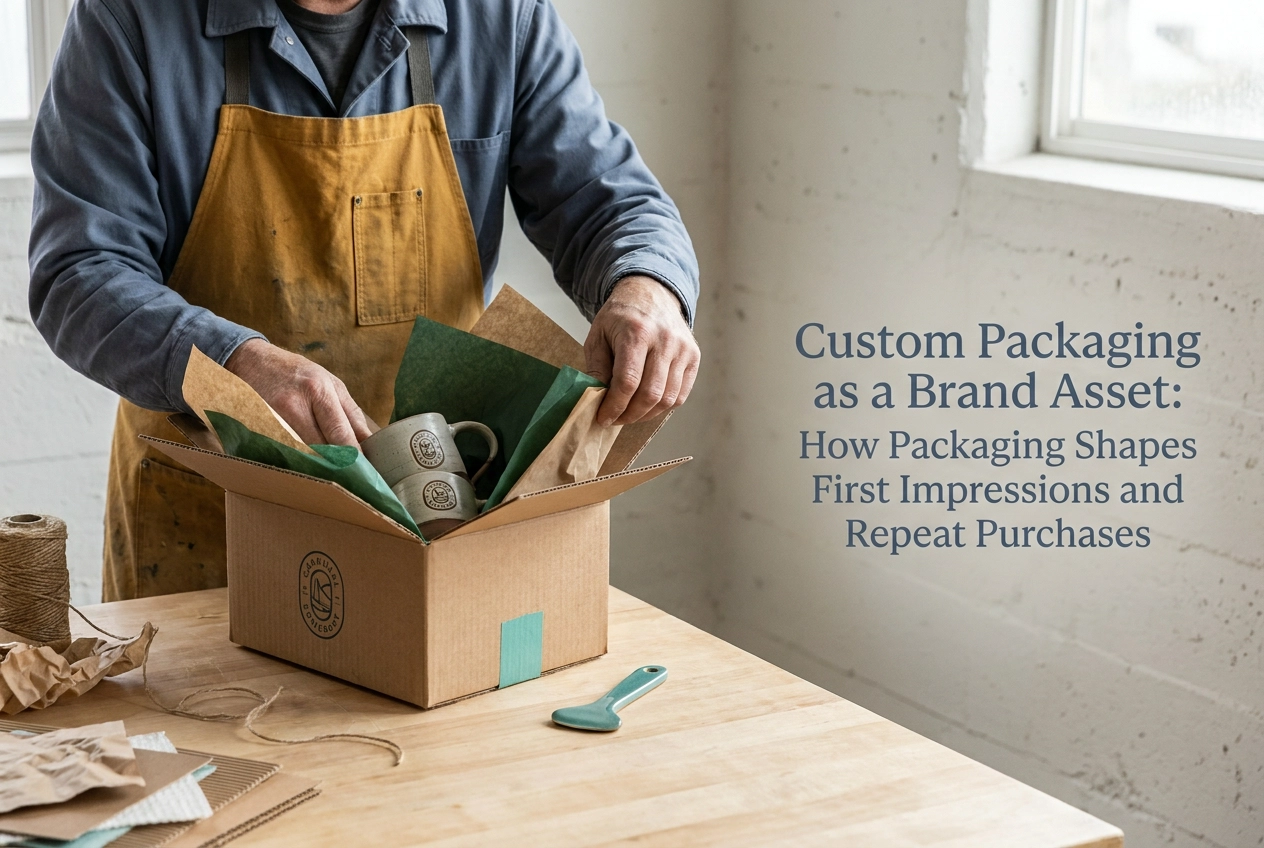
Most businesses treat packaging as a line item. The smarter ones treat it as a strategy.
When a customer receives your product, the box, mailer, or label they encounter is not incidental. It is the final brand communication they receive before the product itself speaks. And research consistently confirms that packaging shapes purchasing decisions, perceived quality, and long-term loyalty in ways that most organizations significantly underestimate.
For companies investing in printing services for business, this distinction matters enormously. There is a measurable gap between packaging that simply contains a product and packaging that actively builds a brand. Cohesive, intentional custom packaging lifts perceived value, reinforces brand identity across every customer touchpoint, and creates the kind of unboxing experience that drives repeat purchases.
This analysis examines the full strategic case for treating packaging as a brand asset. You will find what the research actually shows about packaging and consumer behavior, where custom packaging delivers its most concentrated value, what execution genuinely requires, and how to measure its impact on brand performance. The goal is a clearer framework for making packaging decisions that serve your brand, not just your fulfillment operation.
The Last Impression Before the First Experience
Most organizations categorize packaging as a fulfillment expense: a box to protect the product, a label to identify it, a mailer to move it from point A to point B. That framing is both common and costly.
The moment a customer, employee, or donor receives a package is the last brand touchpoint your organization controls before the product itself takes over. No sales associate, no storefront, no ad impression. Just the physical object in someone’s hands. That makes packaging one of the highest-leverage design decisions in any branded program, and one of the most consistently underinvested.
Packaging communicates quality, care, and organizational identity before the product is ever seen. A well-considered mailer or branded box sets a perceptual frame; the product then either confirms or contradicts it. Research published in Behavioral Sciences confirms that visual packaging elements directly mediate brand experience and shape purchase intention, independent of the product itself. Packaging is doing persuasion work whether or not it was designed to.
Organizations that reframe packaging as a brand investment make measurably different decisions: about material weight and finish, print quality and color accuracy, structural design, and how the unboxing experience connects to everything else they have built. Those decisions compound. For guidance on carrying that thinking into the design process, designing for the customer journey, not only the shelf is a practical place to start.
This piece examines what the evidence shows about packaging’s influence on purchase decisions and perceived value, where that influence is most pronounced across industries, and what a cohesive packaging program actually requires to execute well.
What the Research Shows About Packaging and Purchase Behavior
The evidence behind that claim is more substantive than most organizations realize. Research consistently shows that approximately 73% of purchasing decisions are made at the point of sale, with packaging playing a direct role in attracting attention and driving the final choice. That figure reframes packaging entirely: it is not a container waiting to be discarded; it is an active sales instrument operating at the most critical moment in the buyer’s journey.
Perceived quality compounds this further. Packaging design shapes how buyers assess a product independent of what is actually inside. Color accuracy, structural integrity, and finish quality all register as proxies for product quality before the box is opened. A well-executed package elevates what the customer expects to find; a generic or inconsistent one creates doubt that even a superior product may struggle to overcome. Research confirms that color and imagery are among the most statistically significant packaging variables in shaping purchase intent.
What makes packaging strategically distinct is timing. When a customer is holding your package, no other marketing asset is present. No ad, no sales representative, no website. The brand speaks entirely through what it chose to put in their hands.
The ROI logic follows directly. Buyers who perceive higher quality through packaging are more likely to complete the purchase, accept a price premium, and return. That perception-driven value creation applies across contexts: a retail customer, a corporate client opening a fulfillment kit, a school supporter unboxing spirit merchandise, or a new employee receiving a welcome package. For practical guidance on translating these principles into execution, How to Create Packaging Design That Sells is a useful reference.
Where Packaging Does Its Most Valuable Work
Those dynamics play out differently depending on context. Here is where packaging consistently delivers its highest return.
E-commerce and direct-to-consumer shipping remove every traditional brand touchpoint. No shelf presentation, no sales associate, no storefront. The shipped package carries the entire in-person brand experience alone. A corrugated box with a branded insert and tissue paper signals care and intention in a way a plain brown mailer cannot.
Repeat purchase behavior and social amplification follow from a memorable unboxing experience. Customers who receive packaging that feels considered are more likely to photograph it, share it, and return. Packaging is one of the few brand touchpoints that generates organic visibility without paid media spend, making the investment work harder than its unit cost suggests.
Employee and member onboarding kits represent an often-overlooked application. Nonprofits, public safety departments, healthcare organizations, and multi-location employers use custom packaging to deliver welcome kits, branded uniforms, and promotional items. At that moment, packaging reinforces organizational identity to someone forming their first impression from the inside. The full scope of what that kind of program can include is worth exploring through programs to power your branded merchandise.
School spirit and team stores that ship directly to students and fans benefit similarly. Branded mailers, tissue, and labels turn a routine fulfillment transaction into a brand moment that lands at someone’s front door.
Retail and event product presentation demand the same discipline. Consistent visual identity across labels, hang tags, and retail-ready packaging signals professionalism to buyers and end customers alike. For organizations evaluating full-service support, our printing and packaging services cover the commercial printing side of that equation.
What Cohesive Custom Packaging Actually Requires
Recognizing where packaging does its work is step one. Executing it consistently is where most organizations fall short.
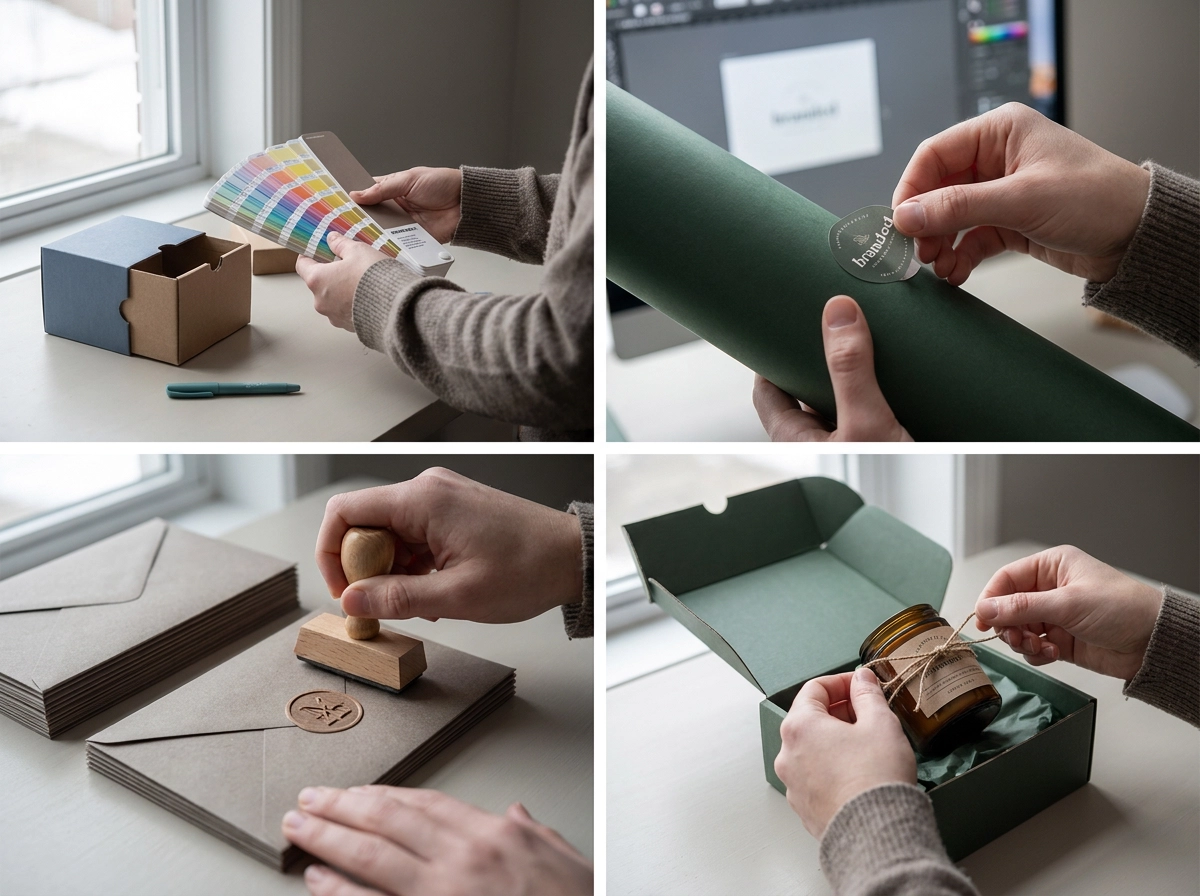
Design accuracy comes first. Custom packaging that reinforces brand identity requires color-accurate printing, consistent typography, and design files that translate correctly across different substrates and print methods. A logo that renders perfectly on coated stock can shift noticeably on kraft paper or uncoated tissue. This is where choosing a capable commercial printing formats and methods partner matters far more than price per unit; the wrong print process for the substrate produces brand drift regardless of how good the original file is.
Material choices carry meaning. The weight of a box, the texture of tissue paper, the finish on a label, all communicate something about the organization before the product is touched. Commodity packaging decisions compress these signals to minimize cost, which works against every brand investment made elsewhere.
Format consistency is non-negotiable. Organizations shipping across multiple formats, mailers, boxes, polybags, labels, inserts, need visual coherence across all of them. Fragmented vendor relationships make this genuinely difficult; different vendors interpret color profiles differently, work from different file versions, and operate on different timelines. The result is brand discontinuity that customers notice even when they cannot articulate it.
Packaging connects to the broader program. It should align with existing apparel, promotional products, signage, and digital presence. A single-source partner managing all of these reduces coordination burden and closes the gaps that multi-vendor programs consistently create.
What goes inside the package matters, too. Branded inserts, thank-you cards, stickers, and small custom printed promotional products extend the brand touchpoint past the box itself, giving recipients one more reason to remember, share, and return.
How Different Organizations Use Custom Packaging Strategically
Those execution requirements vary significantly by organization type, which is why packaging strategy looks different across industries.
Retail and e-commerce businesses competing on brand presence rather than price alone use branded shipping boxes, custom tissue, printed mailers, and product labels to create a recognizable direct-to-consumer experience. For businesses running company stores or team stores with direct fulfillment, consistent packaging across every outbound shipment is what makes the program feel cohesive rather than transactional.

Healthcare and hospitality organizations use packaging for patient kits, welcome amenity packages, and promotional materials where professionalism and attention to detail are non-negotiable signals. Multi-location consistency is the core operational challenge here; a hospital system or hotel group needs packaging that looks identical whether it ships from one facility or ten, which requires centralized fulfillment and reliable commercial printing services rather than location-by-location improvisation.
Schools, universities, and sports teams running spirit stores or team stores extend their brand identity directly to students, fans, and supporters through the packaging those orders arrive in. A school that invests in branded mailers and tissue communicates that its identity is worth protecting, turning a routine merchandise order into a recognizable brand moment.
Nonprofits and mission-driven organizations use custom packaging to ensure that donors and supporters experience the organization’s values in the materials they receive, not just the products themselves. Cohesive presentation reinforces credibility at a moment when trust is the primary currency.
Government agencies and public safety departments source labels, identification materials, and informational packaging through procurement channels that demand compliance awareness and the ability to manage consistent orders across multiple departments. A commercial printer with experience in these environments removes friction that commodity vendors introduce.
How to Measure the Impact of Packaging on Brand Performance
Knowing which organizations benefit from custom packaging is useful; knowing whether your packaging investment is actually working is what drives better decisions.
Unboxing engagement and social amplification offer a practical starting point. Track how often customers photograph or share their shipments organically, through tagged posts, hashtags, or unprompted reviews. Frequent sharing signals that the packaging experience is resonating beyond the transaction itself. This is low-cost signal collection that requires only basic social listening.
Repeat purchase rate correlation is arguably the most revenue-relevant metric. Segment customers by fulfillment type, branded packaging versus generic, and compare repurchase rates across those cohorts over a defined period. Research on subscription box personalization found integrated strategies increased repeat purchase rates by 23.1% and reduced quarterly churn by 34%. Even a fraction of that lift, applied to a sizable customer base, compounds quickly.
NPS surveys that include a specific question about the delivery or unboxing experience can isolate packaging as a satisfaction driver rather than bundling it into general product feedback. When scores diverge between fulfillment cohorts, you have actionable data for design refinement.
Post-purchase surveys and customer interviews surface qualitative signals worth tracking. Language like “felt premium,” “looked professional,” or “made me feel valued” confirms that packaging is shaping perception in the intended direction, not just containing a product.
For organizations running integrated branded programs, compare engagement rates on follow-up communications between packaging-led cohorts and others. When custom packaging connects to apparel, promotional products, and digital marketing through a cohesive program, recipients who unlock key brand benefits across multiple touchpoints consistently show stronger downstream engagement than those who received only a transactional shipment.
Why a Single-Source Partner Changes What Packaging Can Do
Knowing what to measure matters only if your branded program is built to deliver consistent results across every touchpoint. That consistency is harder to achieve than it sounds when packaging, promotional products, apparel, and digital communications come from four different vendors operating independently.
The fragmented vendor model creates predictable problems: different design files interpreted differently, color accuracy that varies by supplier, timelines that don’t align, and no single point of accountability when something ships wrong or looks off-brand. Each vendor optimizes for their own scope, and the seams show in the final experience.
An integrated model closes those gaps. When packaging design, commercial printing services, promotional products, apparel, company stores, and fulfillment are managed through a single relationship, every element in a program references the same brand standards. The box, the insert, the logoed item inside it, and the follow-up email reflect one cohesive identity rather than several approximations of one.
There are practical procurement advantages as well. Through a national supplier network with significant collective buying power, a full-service partner can source custom packaging materials, custom printed promotional products, and branded merchandise at competitive pricing, often with lower minimums than most organizations can negotiate on their own.
The operational difference becomes most visible in programs with multiple components. An employee welcome kit requires branded boxes, tissue paper, a printed card, logoed apparel, and a fulfillment workflow. Coordinating that across five vendors multiplies timelines and communication overhead. A single partner handles it as one project. You can see what you gain with one partner across a complete branded program.
For organizations in Washington State, across the Pacific Northwest, or running branded programs for locations nationwide, that operational value compounds with every layer of geographic or departmental complexity added.
Packaging Is a Brand Decision, Not Just a Fulfillment Decision
The case has been made. Now the decision is yours.
Packaging is the last brand touchpoint your organization controls before the product takes over. Treating it as a line-item cost rather than a brand investment means accepting that your customer’s first physical impression of your organization is an afterthought. That’s a gap worth closing.
Three practical places to start:
Audit your current packaging against your brand standards. Pull a sample of your outgoing boxes, mailers, and labels. Do the colors match your brand palette? Is the typography consistent? Does the packaging quality signal the same level of care as the product inside it? Misalignment here is more common than most organizations realize, and it quietly undermines the credibility of everything else you’ve built.
Evaluate your vendor relationships honestly. If your packaging comes from one source, your promotional products from another, and your apparel from a third, brand consistency is working against you by default. Different vendors interpret color differently, operate on different timelines, and answer to no single standard. That fragmentation has a cost, even if it doesn’t appear on an invoice.
When you’re ready to treat packaging as an asset, find a partner built for it. The right partner connects packaging design, commercial printing, promotional products, fulfillment, and ongoing brand management without requiring you to coordinate across five relationships.
OneStop Northwest works with businesses, schools, nonprofits, healthcare organizations, public safety departments, and many other organizations to build cohesive branded programs that include custom packaging, printing services for business, apparel, and promotional products. If your packaging doesn’t reflect your brand yet, that’s the right conversation to start.
Conclusion
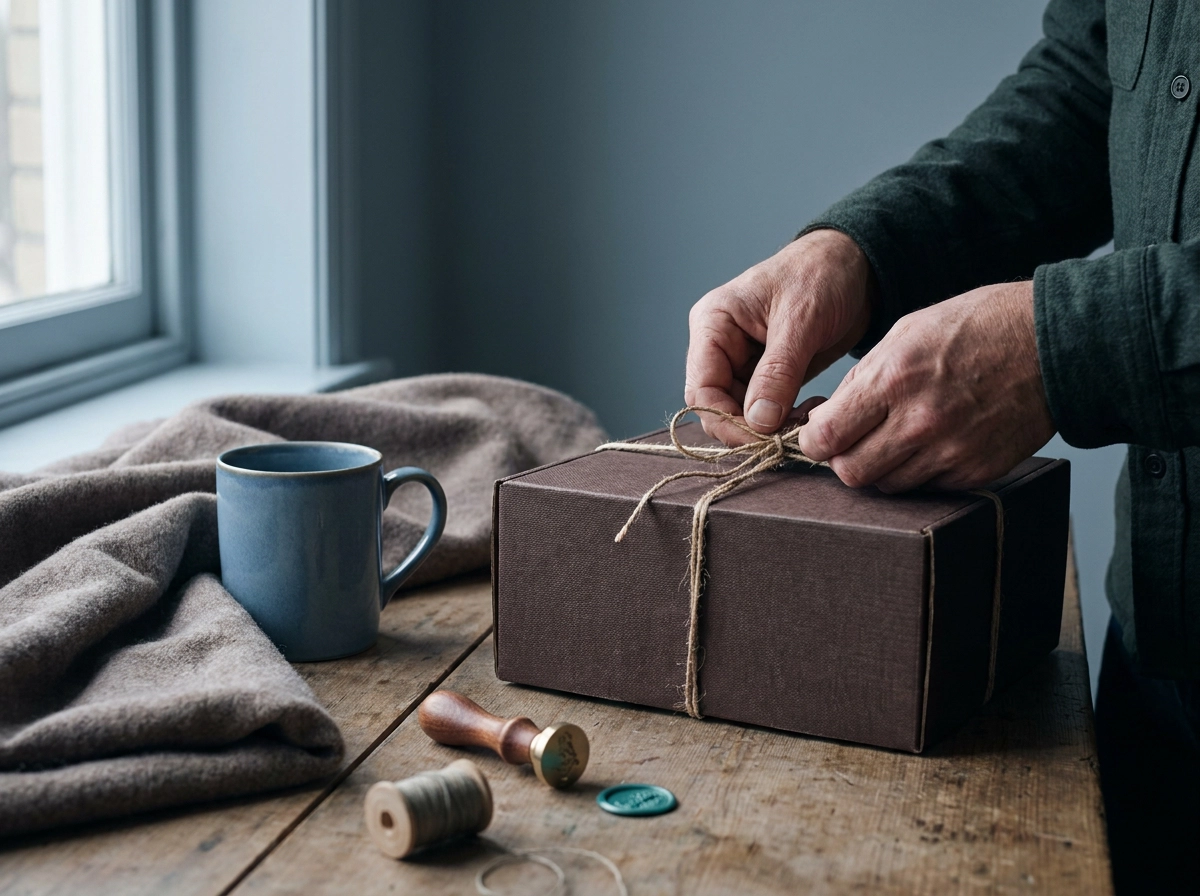
Packaging is not a background detail. It is a brand decision that shapes first impressions, reinforces trust, and influences whether customers come back. The organizations that treat packaging as a strategic asset, rather than a fulfillment expense, consistently build stronger brand recognition and more loyal customer relationships.
The key takeaways are straightforward: consistency across all brand touchpoints matters, cohesive packaging requires intentional systems and the right partners, and the return on packaging investment shows up in real business outcomes.
Now is the time to audit what your packaging is actually communicating. If it does not reflect the quality and identity of your brand, that gap is costing you more than you realize.
Your packaging reaches every customer. Make sure it says something worth hearing. Connect with OneStop Northwest to start building a branded packaging program that works as hard as the rest of your business does.
Frequently Asked Questions
What percentage of purchasing decisions are influenced by packaging at the point of sale?
Research consistently shows that approximately 73% of purchasing decisions are made at the point of sale, with packaging playing a direct role in attracting attention and driving the final choice. This figure demonstrates that packaging is not just a container, but an active sales instrument operating at the most critical moment in the buyer's journey.
How does custom packaging impact repeat purchase behavior?
Customers who receive packaging that feels considered and intentional are significantly more likely to photograph it, share it on social media, and make repeat purchases. Research on subscription box personalization found integrated packaging strategies increased repeat purchase rates by 23.1% and reduced quarterly churn by 34%. A memorable unboxing experience generates organic visibility and word-of-mouth marketing without paid media spend.
Why is packaging consistency important across multiple vendors?
When packaging, promotional products, and apparel come from different vendors, brand consistency suffers because each vendor interprets color profiles differently, works from different file versions, and operates on different timelines. This fragmentation creates brand discontinuity that customers notice, even when they cannot articulate it. A single-source partner eliminates these gaps and ensures cohesive visual identity across all touchpoints.
What specific metrics should organizations track to measure packaging impact?
Organizations should track unboxing engagement through social listening (customer photos and shares), repeat purchase rates by fulfillment type, NPS survey scores that isolate the delivery experience, and qualitative feedback from post-purchase surveys. Additionally, comparing engagement rates on follow-up communications between packaging-led cohorts and transactional shipments reveals the true business impact of strategic packaging investments.
What are the key execution requirements for creating effective custom packaging?
Effective custom packaging requires: (1) Design accuracy with color-correct printing and consistent typography across substrates, (2) Intentional material choices that communicate brand value (not commodity solutions), (3) Format consistency across all shipping containers and labels, (4) Alignment with broader brand programs including apparel and digital presence, and (5) Strategic additions like branded inserts and thank-you cards that extend the brand touchpoint beyond the box itself.